Written by Sofia Di Stefano, photography by Yeelen Tavilla
modified 4 August 2026
7 min. read
Val di Noto is a constellation of Sicilian gems, each with its own gravitational pull. Ask around and you’ll find loyalties run deep: in Ragusa Ibla, conviction is a birthright; in Modica, the light, the chocolate, the vertiginous staircases are non-negotiable. Noto, meanwhile, doesn’t bother to argue. It simply exists, luminous and assured.
Ragusa Ibla, Modica, and Noto are siblings only by circumstance, bound by a shared catastrophe, a Baroque afterlife, and a postal code. The earthquake of 1693 leveled them all, but what rose from the rubble were three cities with three distinct personalities, which is the most Sicilian possible outcome.
In this guide packed with the best suggestions, we’ll show you how you can see all three in a day.
8.30AM - Ragusa Ibla
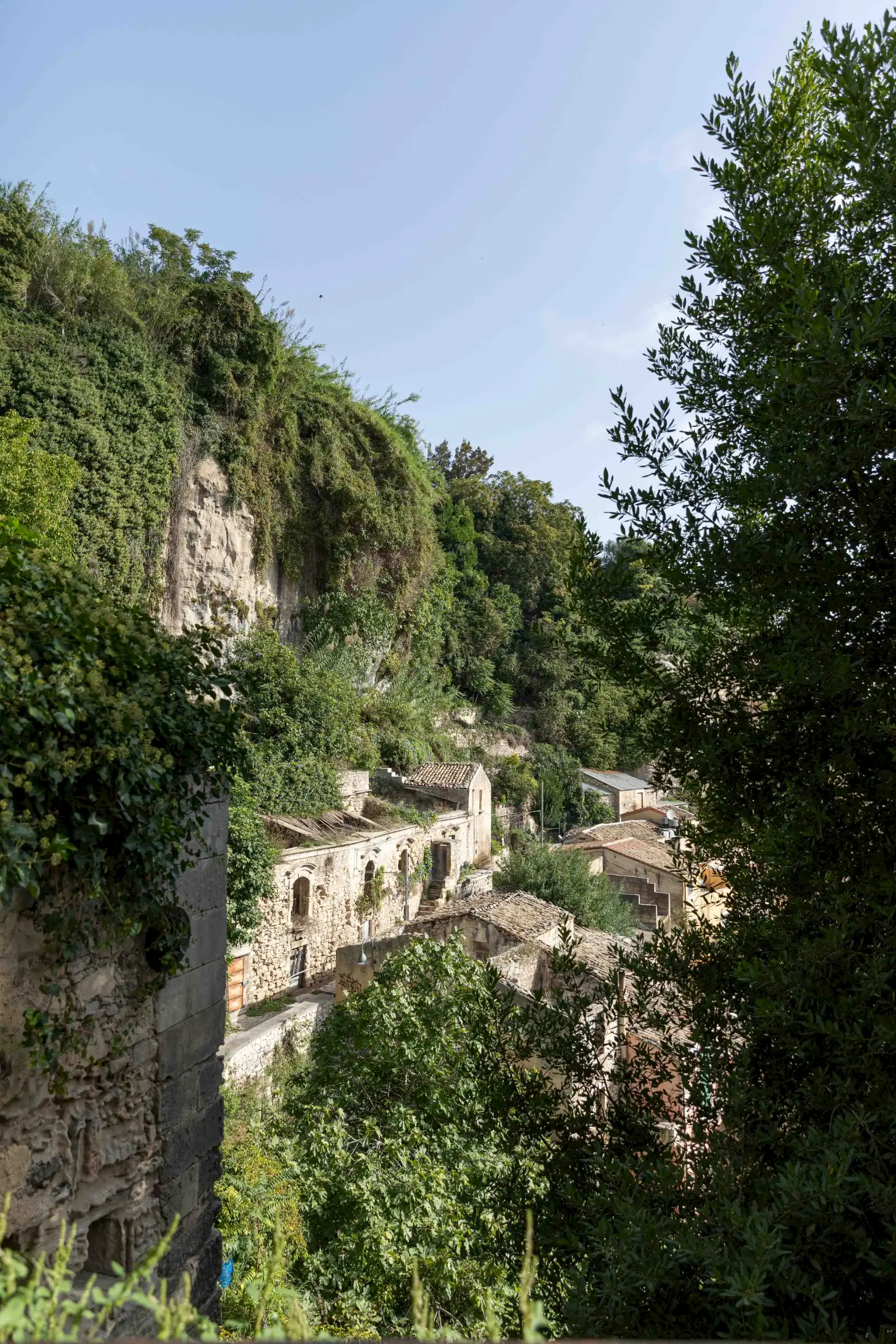
The drive into Ragusa Ibla is the beginning of the experience. The road slips between limestone ridges, and then, almost theatrically, the town reveals itself: a honeyed tangle of domes and terraces, rooftops pressed close against the hillside. Park above, and let gravity pull you down.
Ragusa Ibla wears its aristocracy openly. After the earthquake, the old families clung to their hilltop, rebuilding in Baroque with a kind of stubborn elegance. The result is a town that feels deliberate: stately, intimate, slightly proud of itself. The streets are narrow, the palazzi are grand, and nothing feels accidental.
Start your descent from the Church of Santa Maria delle Scale, which sits on the staircase connecting the upper town to Ibla. The view from here — Ibla spread out below, the valley on both sides — is one of the most photographed in Sicily, and for good reason. The church itself survived the 1693 earthquake and still shows its original Gothic-Catalan details, which makes it the oldest thing you’ll see all day.
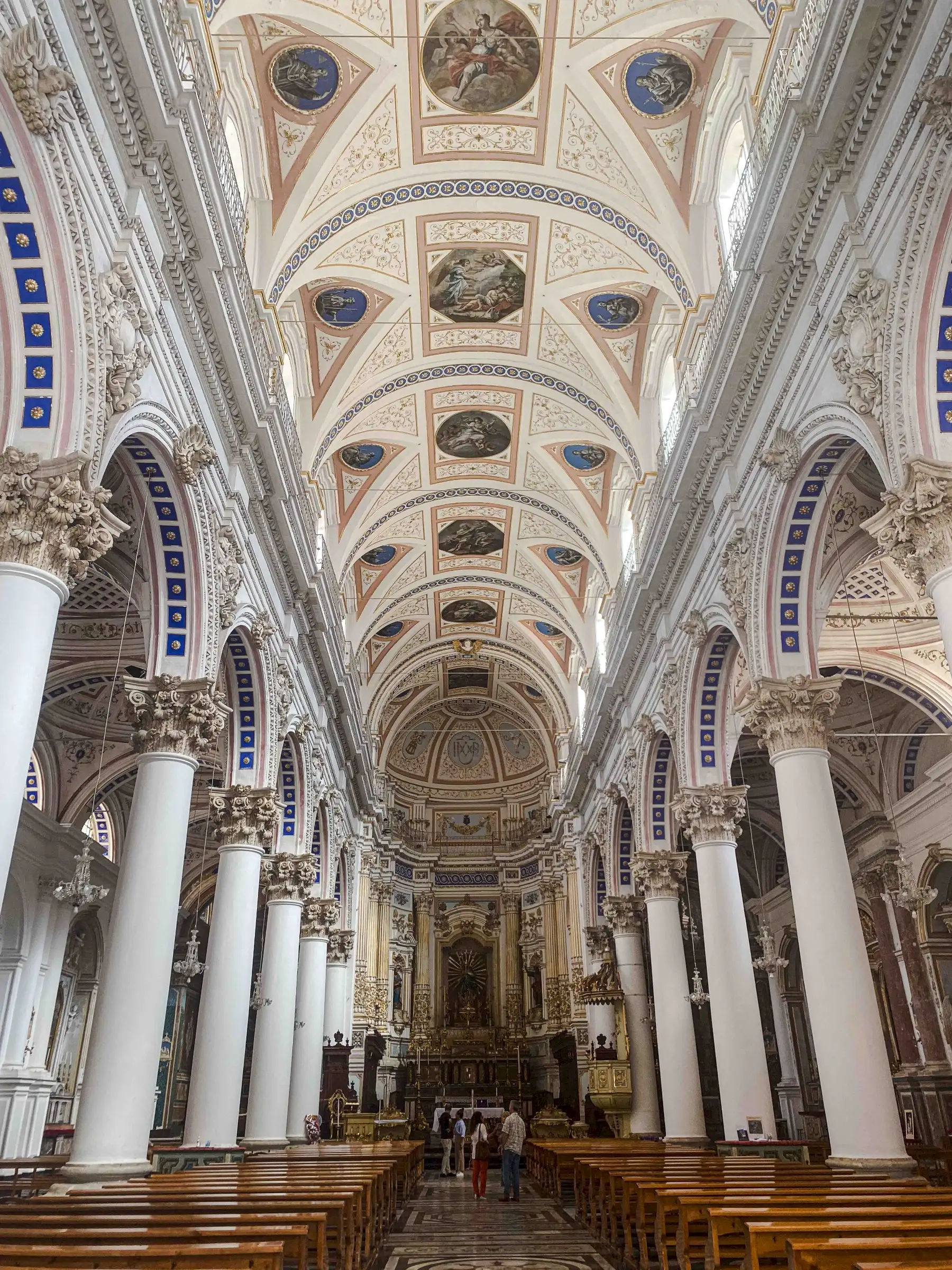
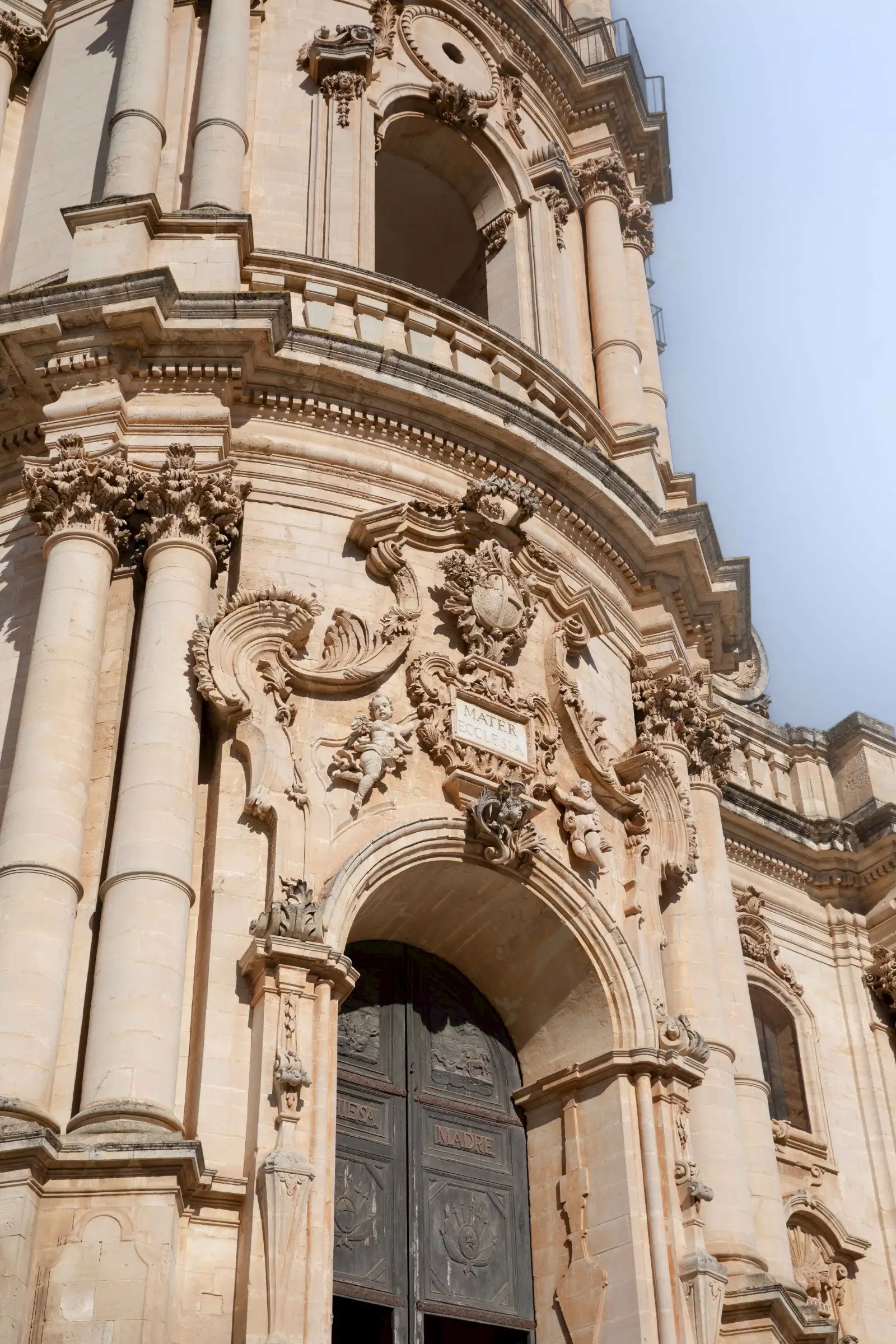
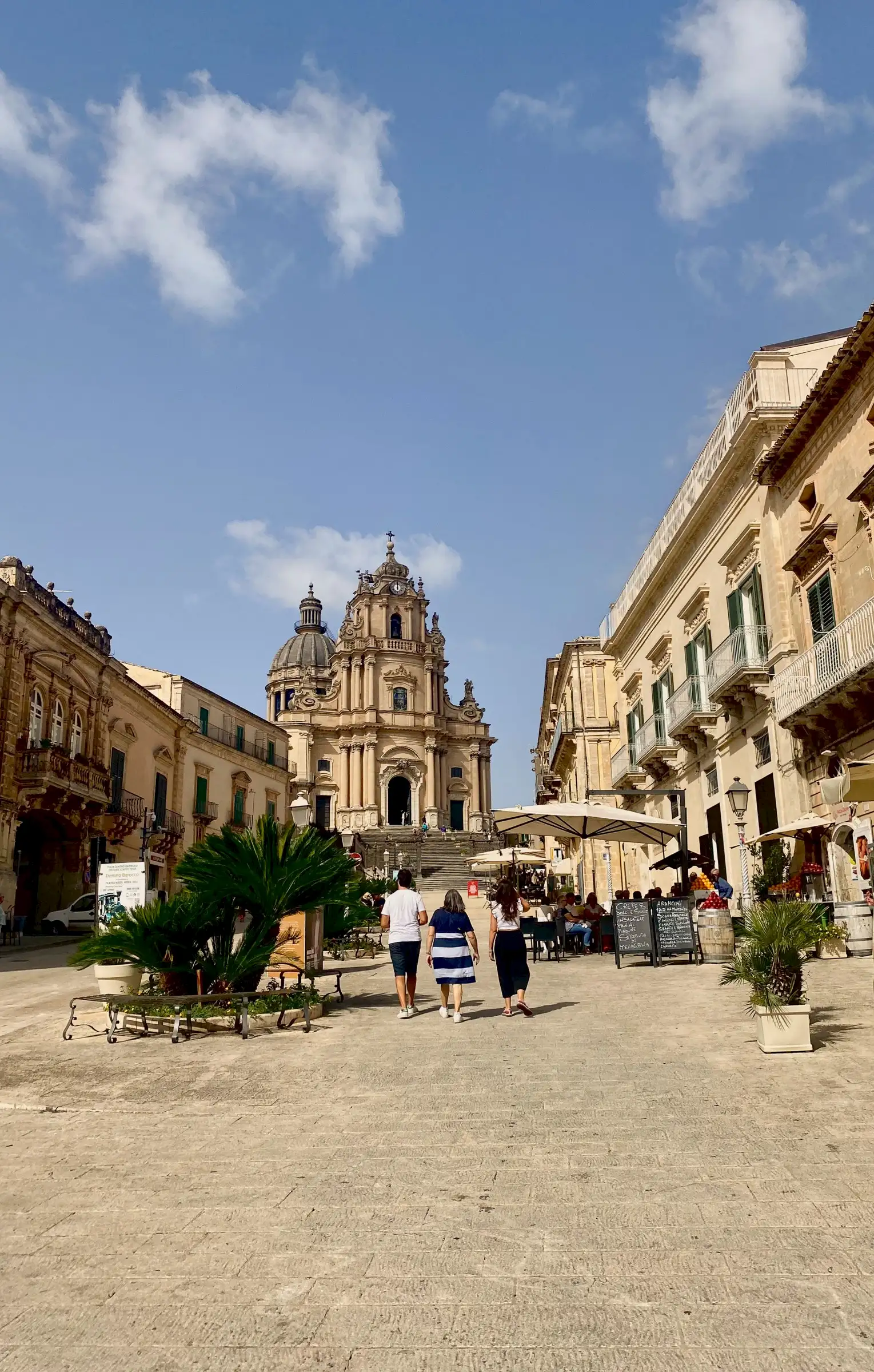
Walk down into the heart of Ibla toward Piazza Duomo and the Cattedrale di San Giorgio. Designed by Rosario Gagliardi and built in the 18th century, the façade rises in three tiers above a grand staircase, its neoclassical dome visible from halfway across town. Go inside, the proportions are extraordinary.
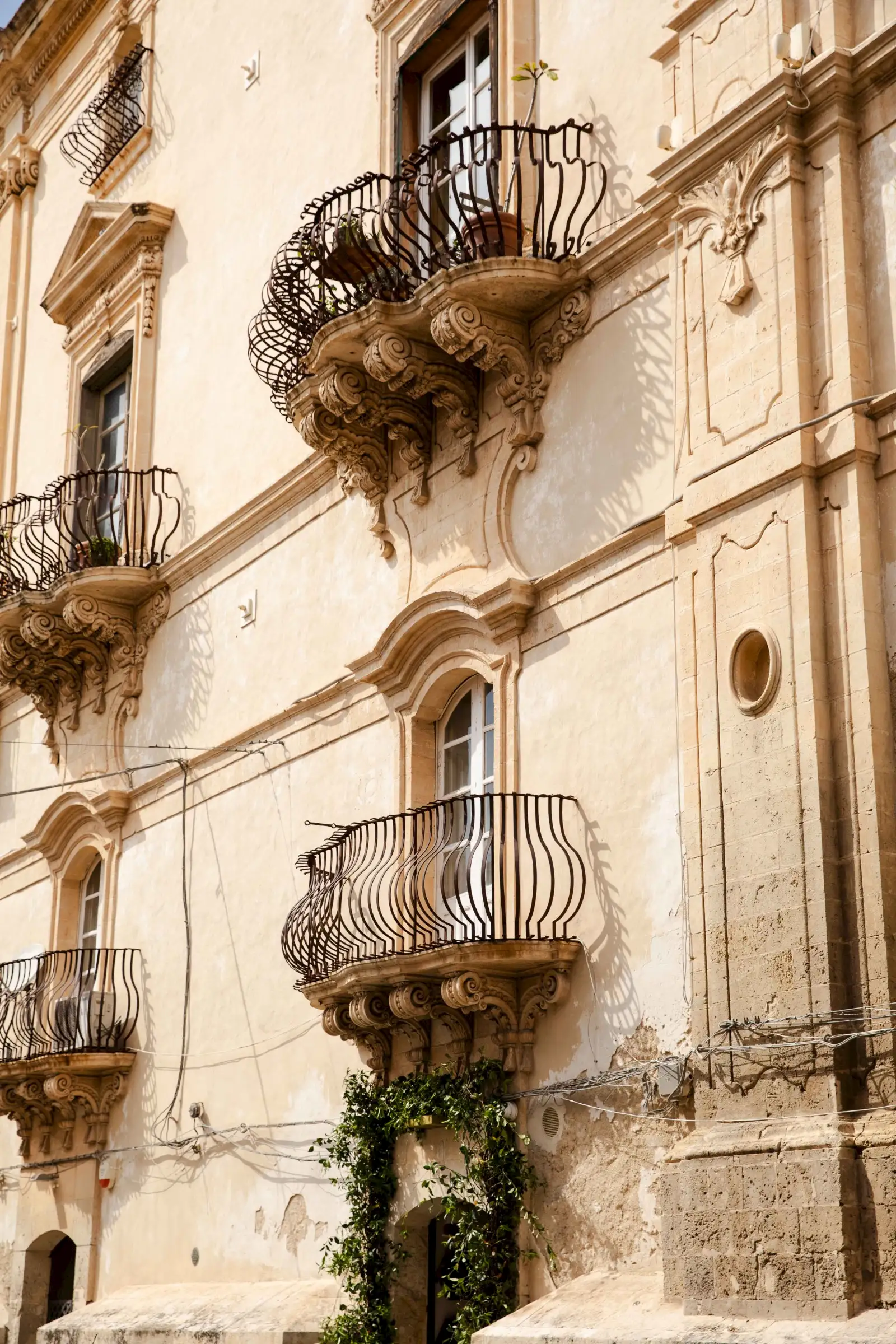
From here, let yourself get lost. Drift toward Palazzo Cosentini and tilt your gaze upward: balcony corbels carved with faces, beasts, fragments of daily life, no two alike. Eventually, you’ll find Giardino Ibleo at the edge of town, a garden suspended above the Irminio valley, stone benches scattered in the hush, the kind of silence that feels like a reward.
For a coffee or early bite before leaving, I Banchi on Via Orfanotrofio, the more casual project of Michelin-starred chef Ciccio Sultano, does excellent breakfasts, pastries, and a small deli counter worth browsing. If you want a proper lunch before moving on, Trattoria La Bettola at Largo Camerina is the local choice: simple, well-priced, no frills, and genuinely good.
11.30AM - The Drive to Modica
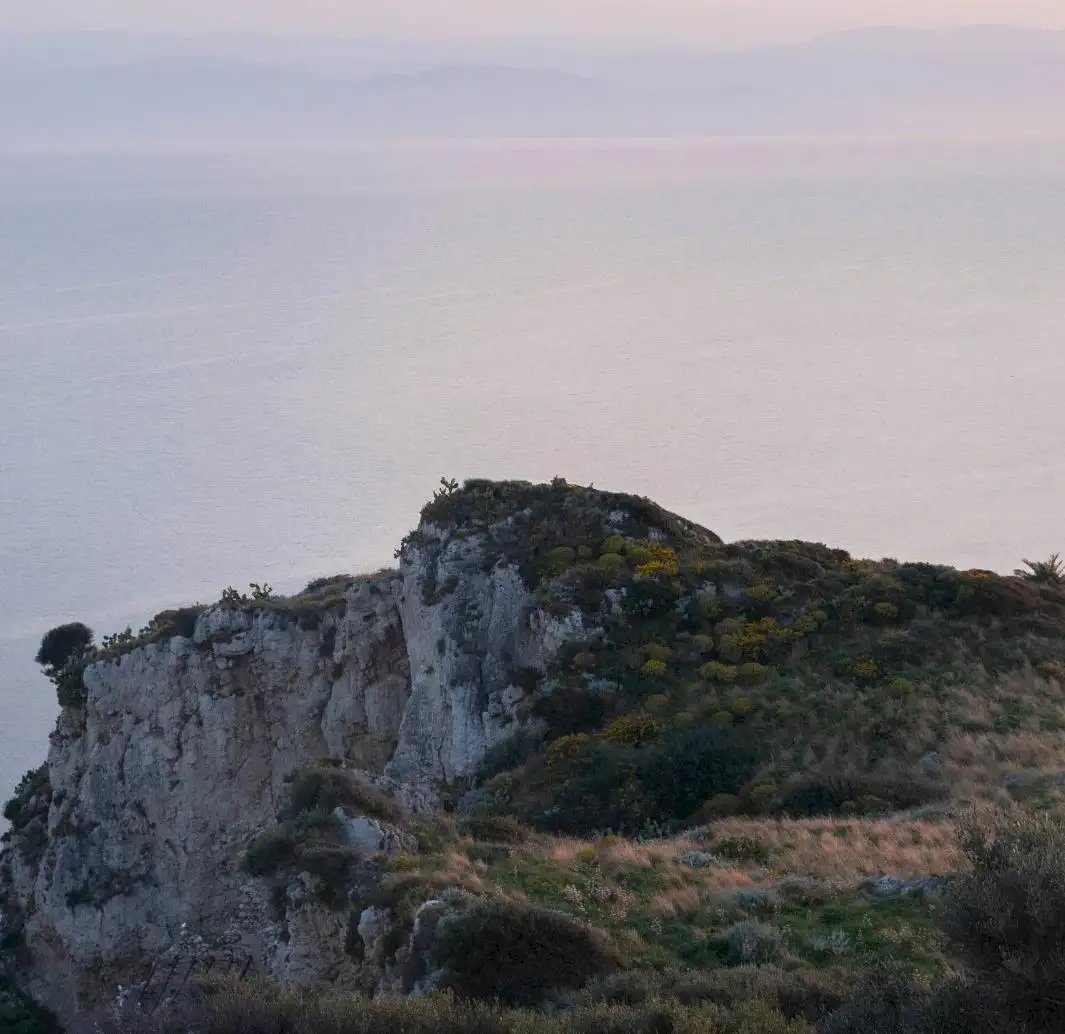
Forty minutes southeast. The landscape between Ragusa and Modica is wide and agricultural. You’ll see carob trees, stone walls, the occasional masseria. It looks the way Sicily looks in old photographs.
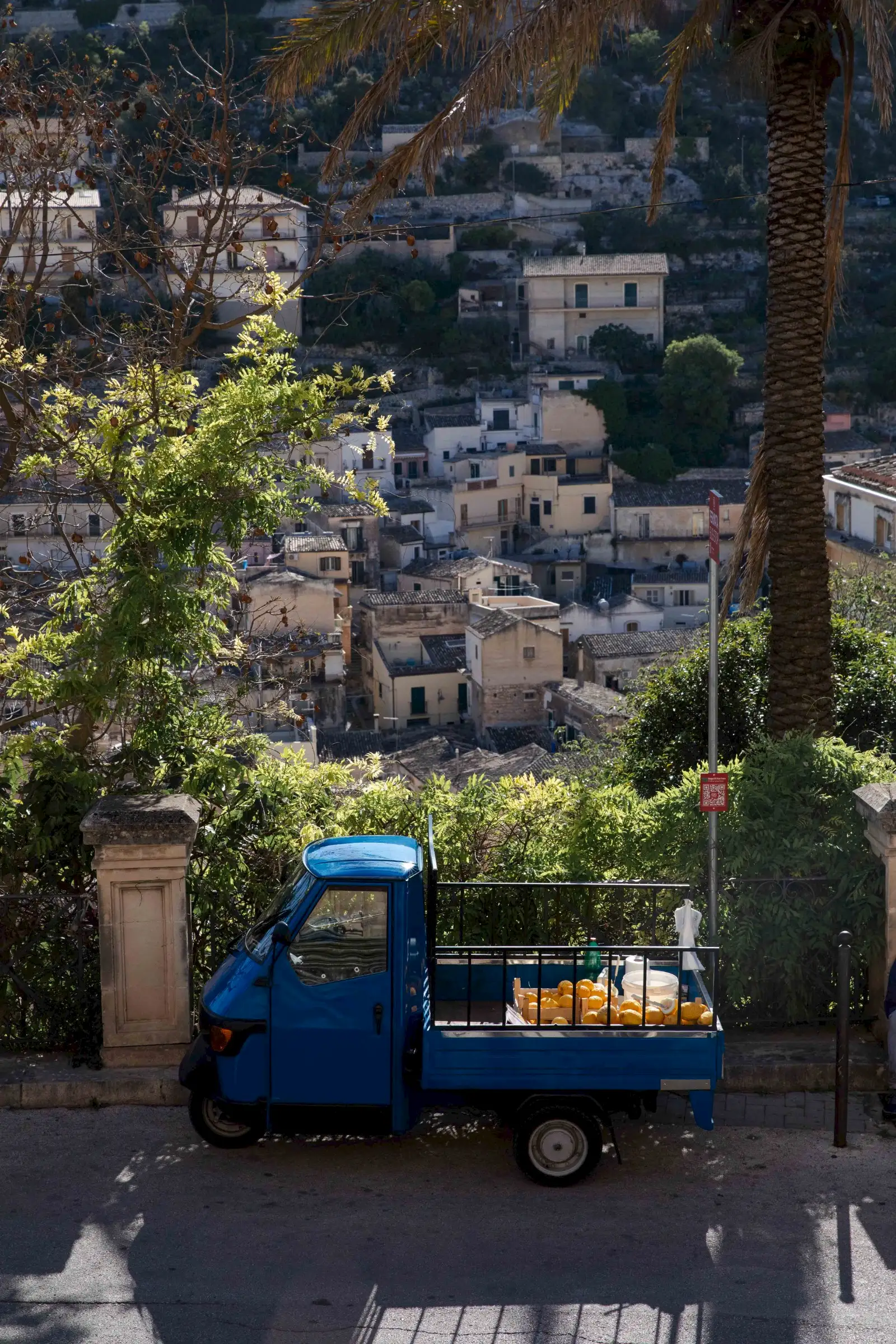
If Ragusa Ibla is the aristocrat, Modica is the poet. Salvatore Quasimodo, who won the Nobel Prize for Literature in 1959, was born here. The city is built across four hills connected by staircases, ravines, and improbable bridges, and it has the feeling of a place that takes its own drama seriously: steep, vertical, slightly operatic.
Park in Modica Bassa and start on Corso Umberto, the main street of the lower town. This is where the 1693 flood — a separate catastrophe from the earthquake — was so severe that the city paved over the river and turned the riverbed into a road. The Church of San Pietro Apostolo anchors one end of the Corso, its Baroque staircase lined with statues of the twelve apostles. Walk it slowly.
Then make the climb to Modica Alta for the Duomo di San Giorgio. Another Gagliardi masterpiece, this one more theatrical than San Giorgio in Ragusa: a 62-metre façade rising above 164 steps, designed so that it appears to grow taller as you ascend toward it. The view from the top step over Modica’s rooftops is the best in the Val di Noto.
For lunch, Fattoria delle Torri in a restored palazzo near Corso Umberto serves up Sicilian classics with a light touch and a price that feels almost generous. If scaccia is on the menu order it without hesitation.
Then, the chocolate.
Modica chocolate is made cold-process, without added fat, using only cacao and sugar. The method arrived with the Spanish in the 16th century, who adapted it from Aztec tradition. The result is grainy, intensely flavored, and unlike anything made with modern processing. Antica Dolceria Bonajuto, on Corso Umberto, has been making it since 1880. It’s the oldest chocolate shop in Sicily. Try the cinnamon, the chili, the sea salt. Buy more than you think you need; you will finish it before you get home. For a second opinion, Sabadì takes a more experimental approach to the same tradition, aging some bars in barrels, working with unusual pairings, and has been voted the best Modica chocolate for nine consecutive years. Both are worth visiting.
Forty-five minutes west. The road opens out onto the Iblean plateau, and the light begins to change.
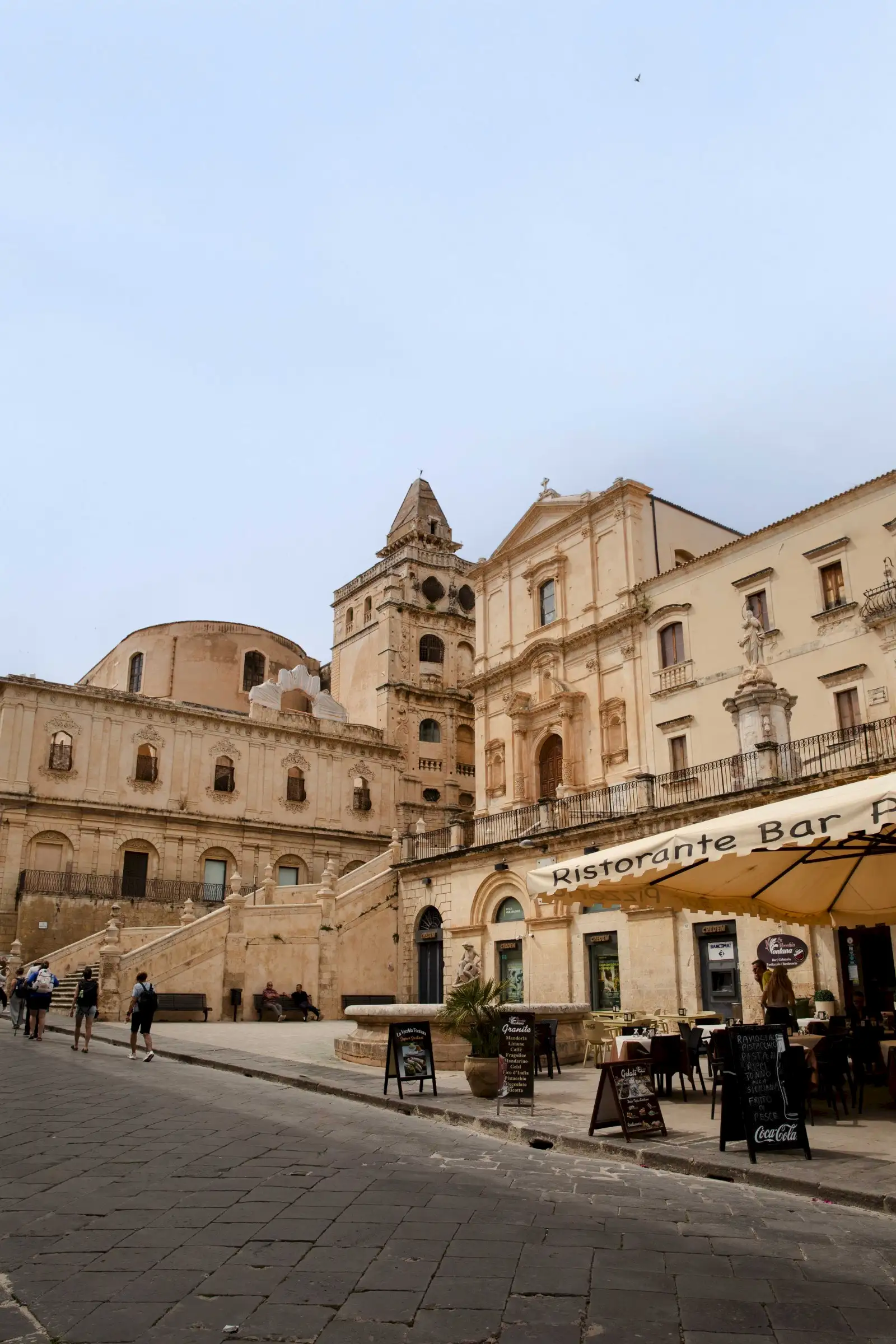
Noto is the showpiece. After the 1693 earthquake, the city was rebuilt entirely from scratch, on a new site, on a grid plan, by a single generation of architects working in the same style at the same moment. The result is the most coherent Baroque urban plan in existence: one long street, two cathedral staircases, and a skyline that glows amber when the afternoon light hits it correctly.
Enter through Porta Reale and walk slowly along Corso Vittorio Emanuele toward the Cathedral of San Nicolò. Stop beneath Palazzo Nicolaci and look up at the six balconies, each supported by different carved figures, grotesque and precise and inexhaustible. This is Baroque architecture doing exactly what it was designed to do: asserting wealth, demonstrating skill, refusing to be ignored.
By late afternoon, the light on the limestone goes from gold to amber to something almost orange, and the whole street seems to slow down. This is the Noto passeggiata hour. Join it.
For the best view in the city, climb the bell tower of the Church of San Carlo al Corso for just a few euros. You’ll emerge above the rooftops with the entire city below you for a breath-taking view of the city.
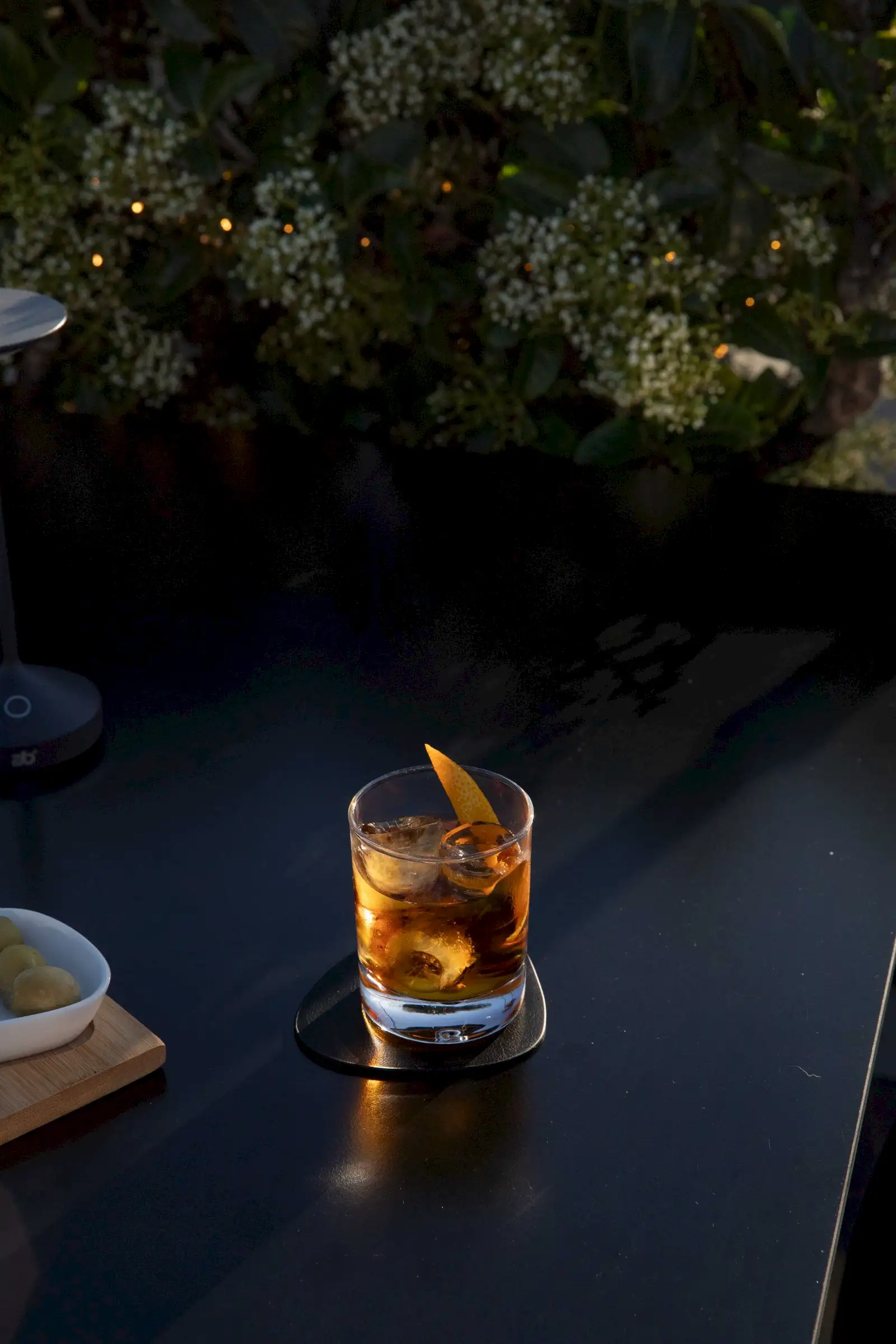
The rooftop terrace of the Gagliardi Boutique Hotel, just off the Corso, looks directly over the historic center with the cathedral in full view. Order something cold and watch the limestone go through its final hour of light. It’s a good ending to the day.
Trattoria Fontana d’Ercole, just off the Corso in front of the theatre, is unpretentious, well-priced, and the kind of place that immediately makes you feel at home. They do Sicilian classics on a terrace with outdoor tables: caponata, ricotta ravioli, tuna a cipuddata, parmigiana.
For something more considered, Osteria Villa Dorata offers traditional Sicilian flavors with a terrace that looks out over the countryside. Or Manna, now at Marina di Noto, reinterprets Sicilian cooking with precision and genuine respect for what’s local. Creative without being restless.
Ragusa Ibla is aristocratic and interior, a city that was rebuilt with dignity and has maintained it. It rewards patience and gets more beautiful the longer you stay.
Modica is vertical, literary, slightly dramatic. A city built for people who don’t mind a climb, and it rewards the effort. The chocolate is a metaphor for how the place works: old methods, no shortcuts, surprising results.
Noto is pure performance. The most unified, the most photographed, the most instantly captivating. It knows exactly what it is, and it plays the part flawlessly.
Three cities, one earthquake, three completely different responses. That contrast is the point of the drive.
The Val di Noto rewards a slower pace than a single day allows. A few properties in the area worth knowing about: Il Palazzetto, in the heart of Noto’s historic centre with a rooftop heated pool; Villa Rossa, designed to work with the Sicilian light, floor-to-ceiling glass and the countryside coming in; Augusta, a contemporary villa with an infinity pool just five minutes from Noto; Aura, a minimalist villa for ten with exceptional views over the Val di Noto; and for larger groups, La Caletta near the Vendicari nature reserve, and La Rada, a sophisticated twin-building property on the water near Avola.
One day is enough to understand why people come. It’s rarely enough to make them leave.
The full collection is at specialitaly.com.
Sofia Di Stefano & Yeelen Tavilla
Sofia and Yeelen are a creative duo deeply inspired by Sicily’s rich culture, flavors, people, and stories. They blend their expertise in brand storytelling and evocative imagery to craft narratives that leave a mark. Their work is a love letter to their roots and Sicily’s vibrant soul.