Written by Lucrezia Worthington
modified 22 April 2026
6 min. read
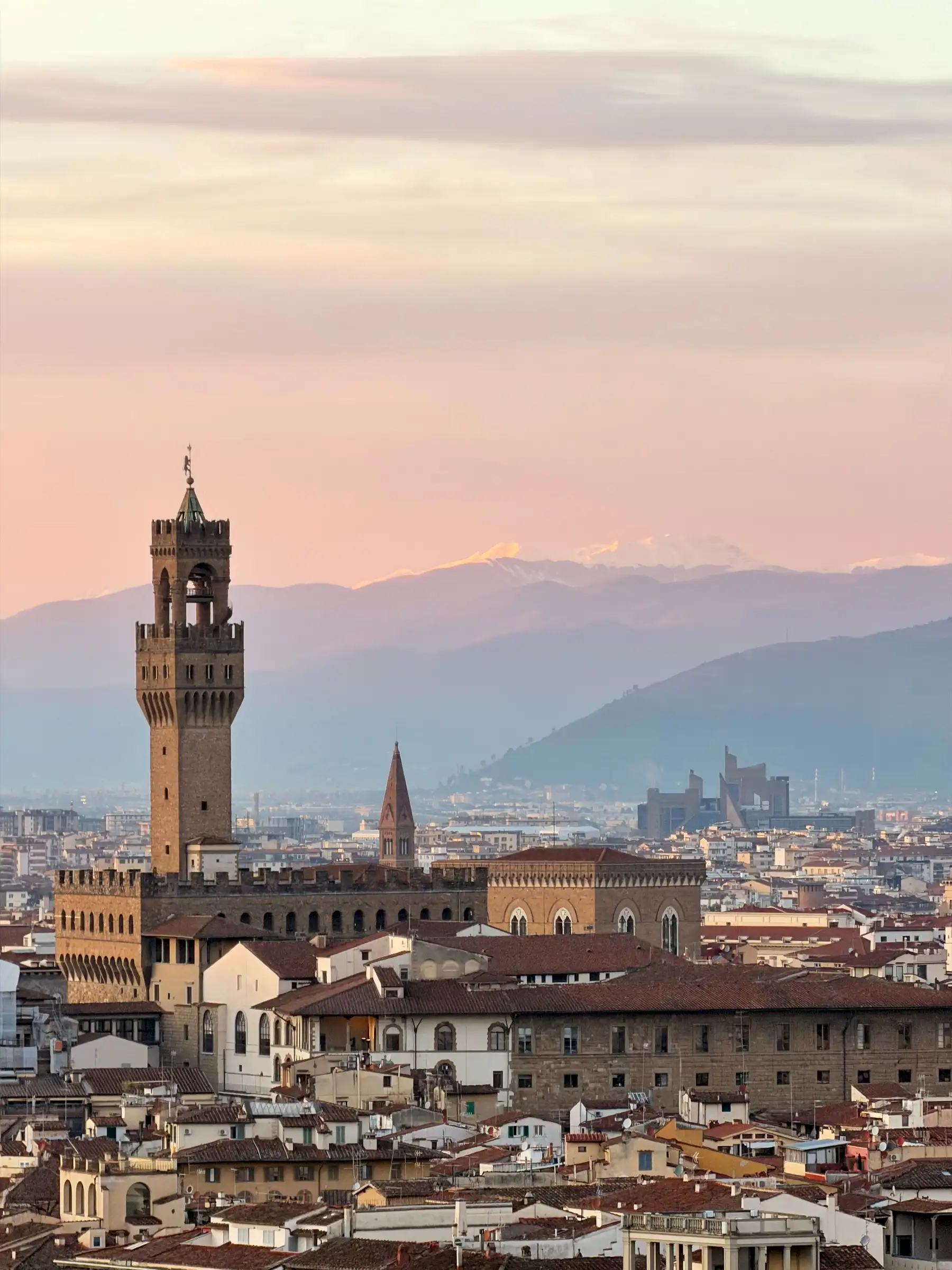
Florence steals our heart each time we cross Ponte Santa Trinita toward the Oltrarno, with Ponte Vecchio glimmering just upstream. The shift from the historic centre to the other side of the Arno feels immediate and atmospheric. The city’s beauty is evident, yet its slower rhythm is what lingers.
Florence’s historic centre is a UNESCO World Heritage Site designated in 1982. Masterpieces sit within walking distance of one another, from Piazza della Repubblica to Piazza del Duomo. Two days here allow for structure without urgency, leaving space for long lunches and unplanned pauses.
Day One Between the Duomo and Santo Spirito
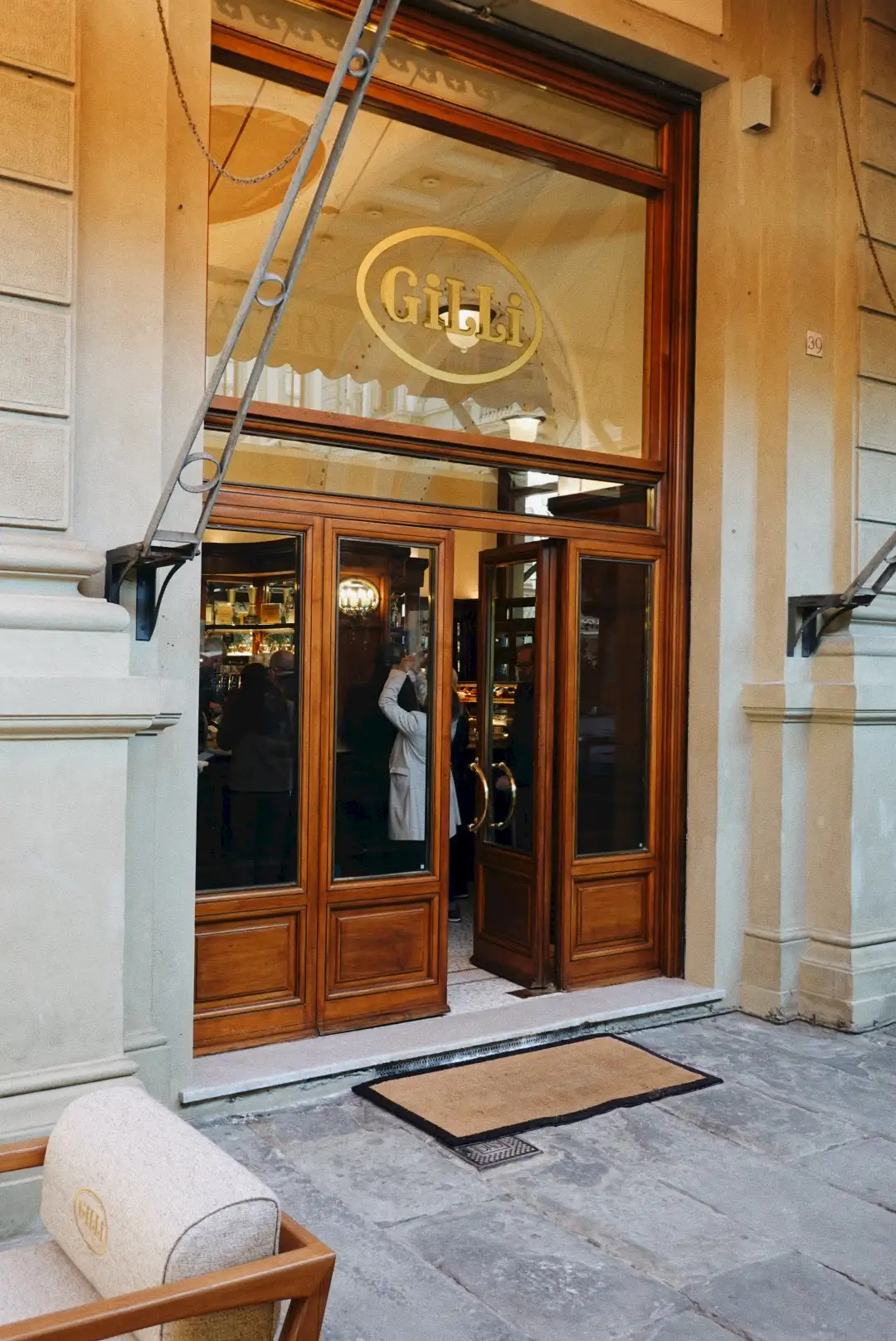
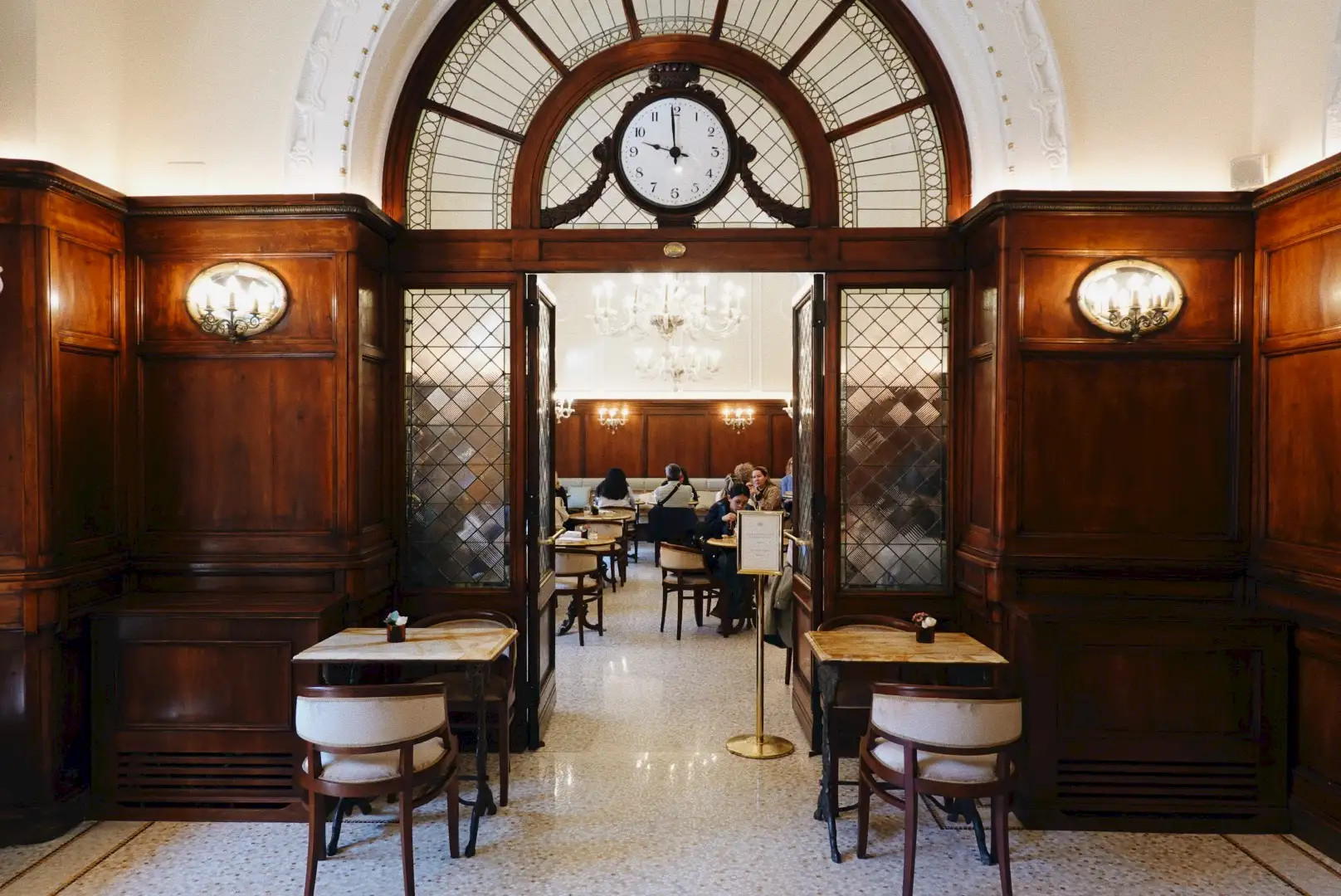
Morning at Gilli
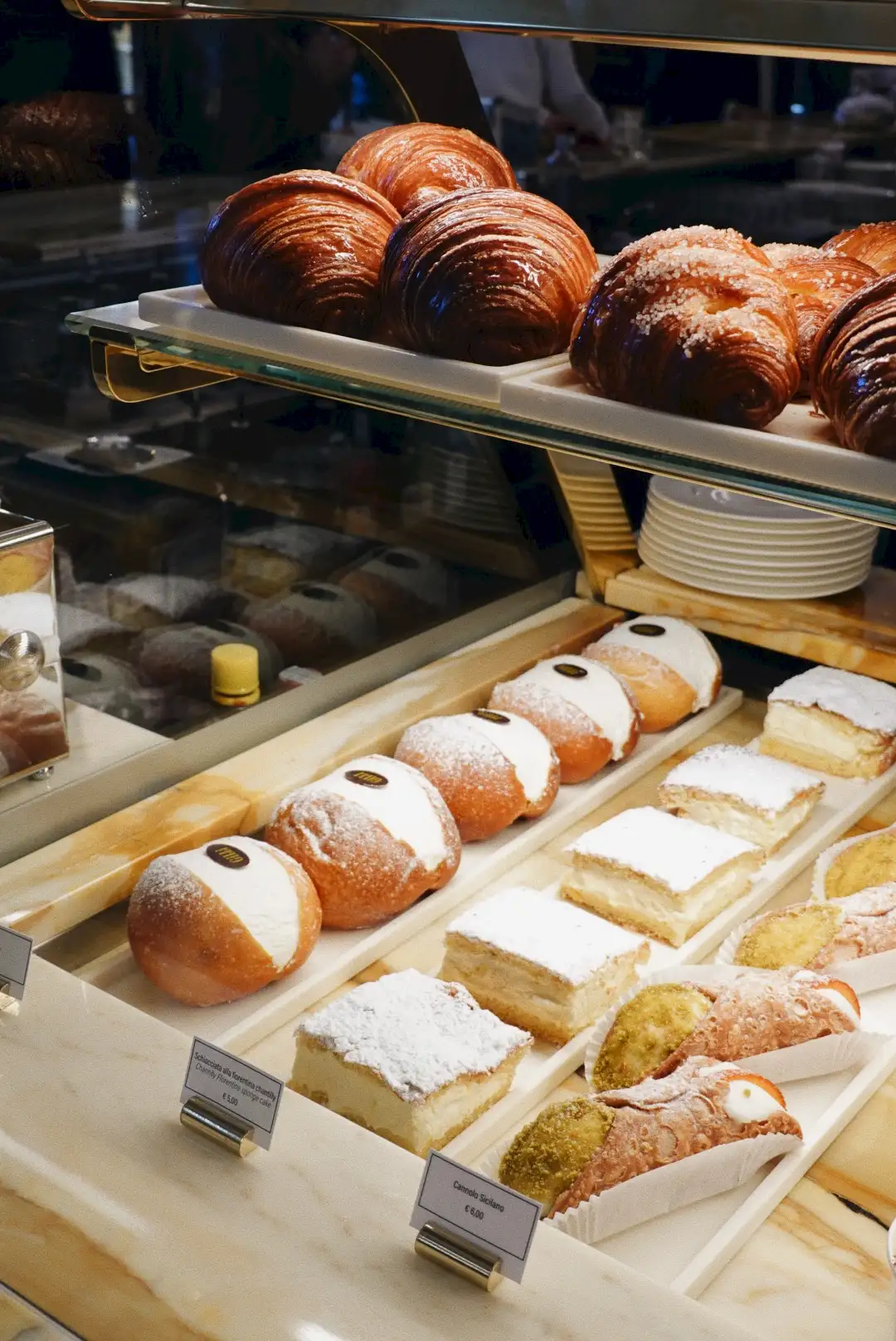
The oldest café in Florence, Gilli has occupied its grand corner on Piazza della Repubblica since 1733 and shows no signs of losing its appeal. Settle at one of the marble-topped tables beneath the Belle Époque interior for a perfectly pulled espresso and one of the city's finest pastry counters.
Palazzo Strozzi and the Duomo Complex
Palazzo Strozzi is one of Florence’s most refined Renaissance palaces, completed in 1538. Its symmetrical courtyard and rusticated stone façade embody Florentine restraint. We often step inside for its rotating exhibitions, which range from ancient artefacts to contemporary installations.
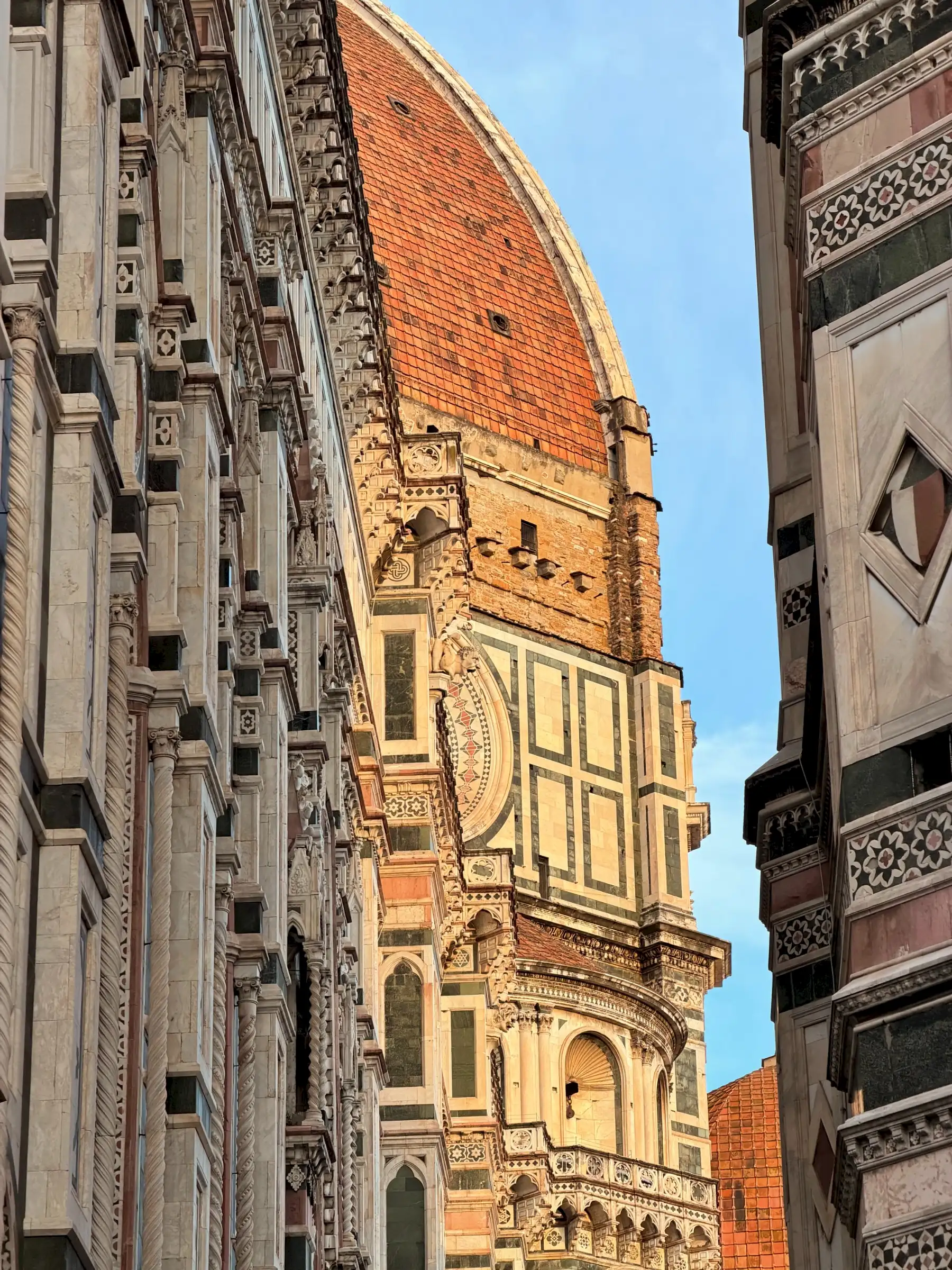
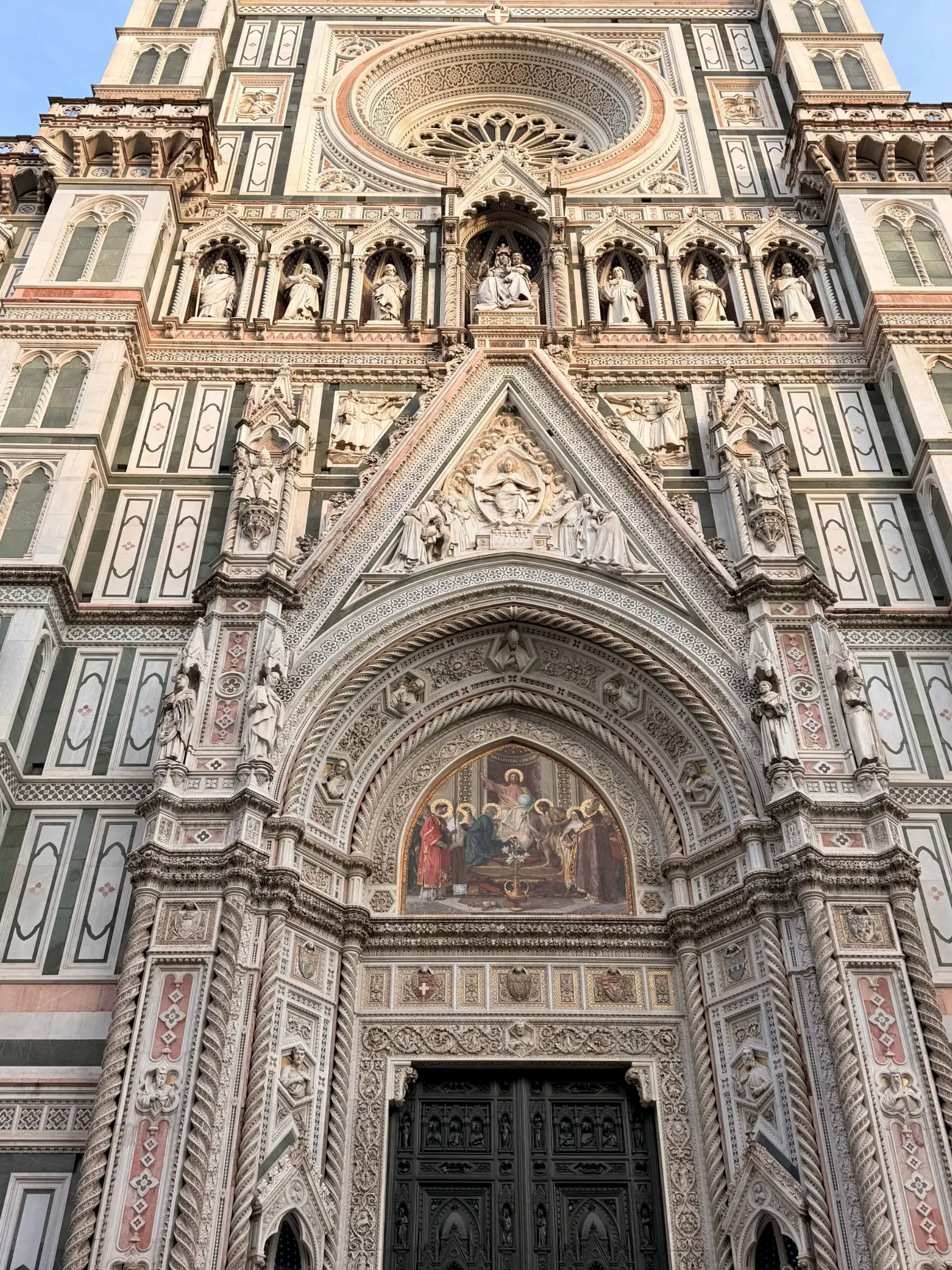
Piazza del Duomo remains Florence’s monumental heart despite its crowds. The Cathedral of Santa Maria del Fiore was begun in 1296 and crowned by Brunelleschi’s dome in 1436. Giotto’s Bell Tower and the Baptistery of San Giovanni complete a compact architectural masterpiece.
Climbing Brunelleschi’s Dome requires advance booking and 463 steps. The ascent brings you close to Vasari’s frescoes before opening onto panoramic terraces above the city. It is one of the few experiences that still feels awe-inducing, even on repeat visits.
Crossing to the Oltrarno
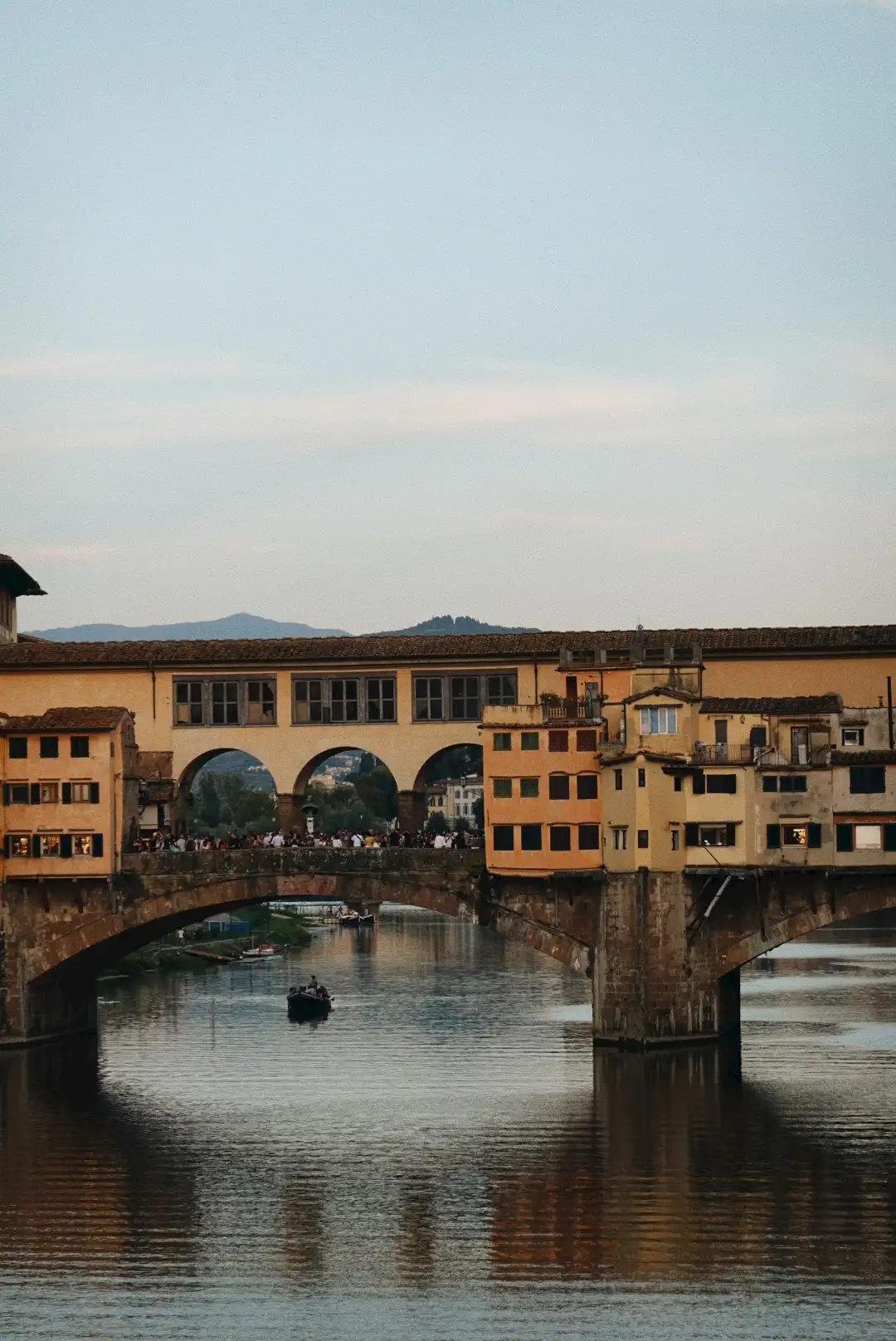
Ponte Vecchio has spanned the Arno since 1345 and remains lined with historic goldsmith shops. We never quite tire of crossing it, even when it is busy. The light on the river shifts constantly, especially in the late morning.
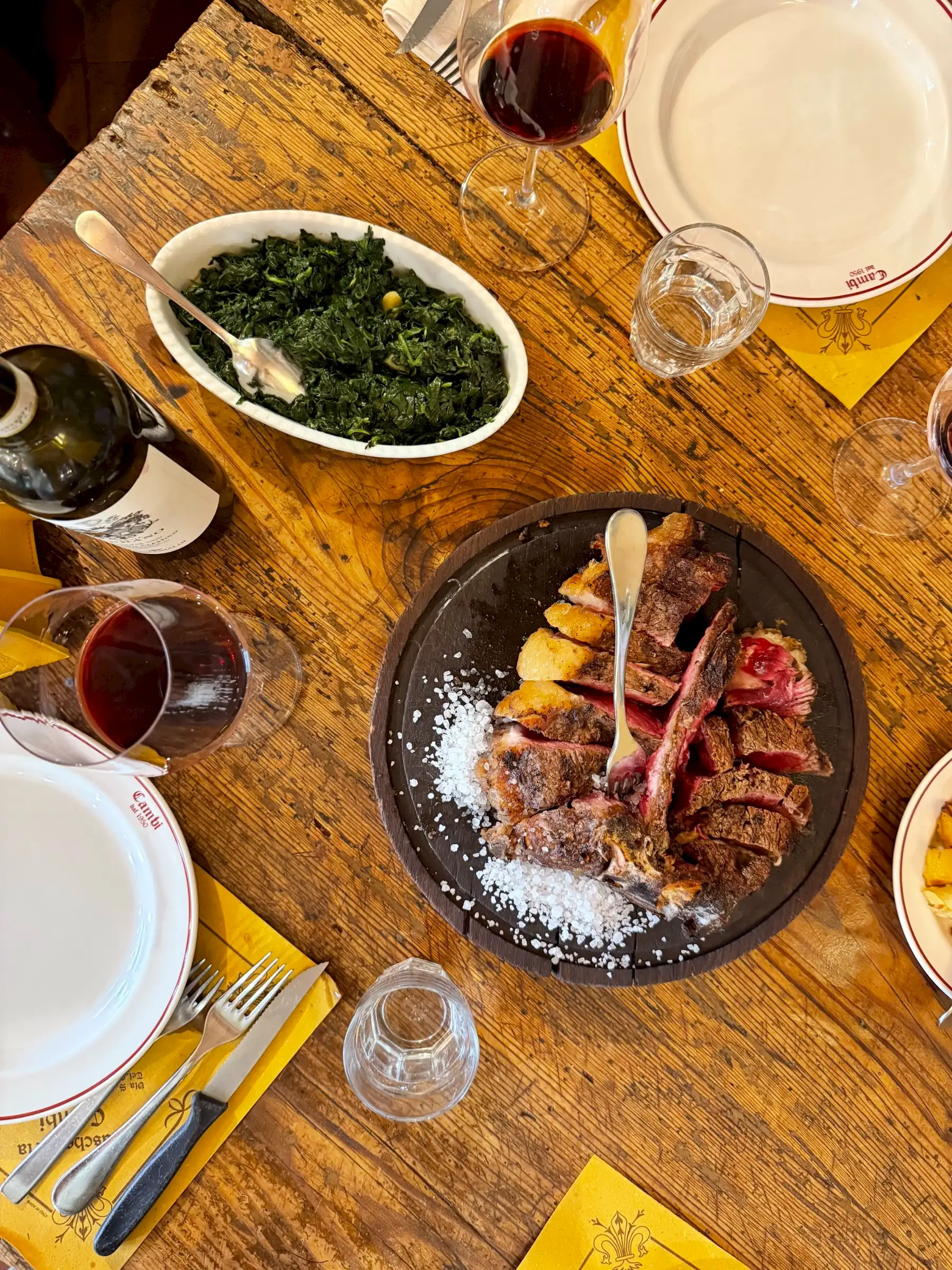
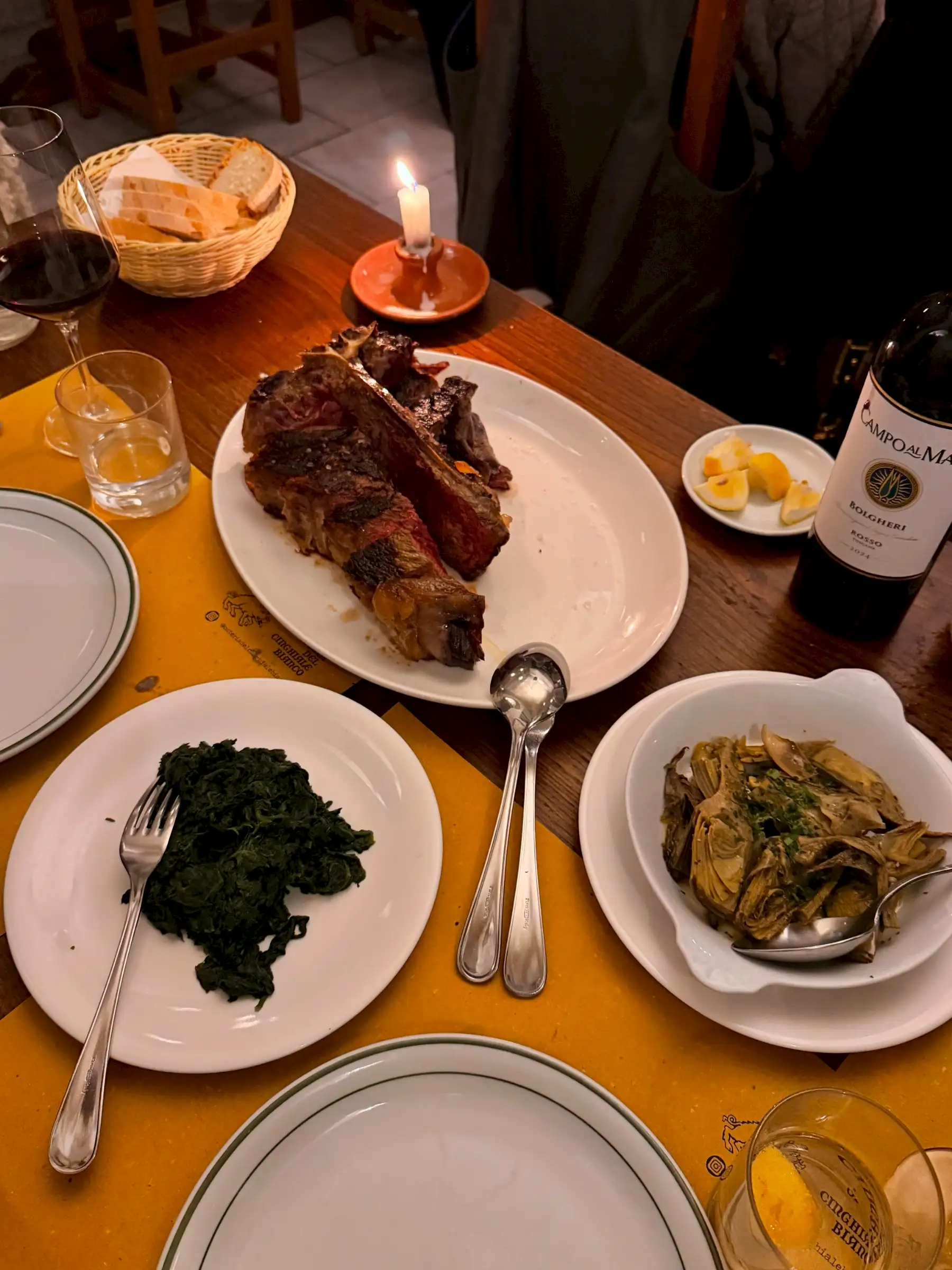
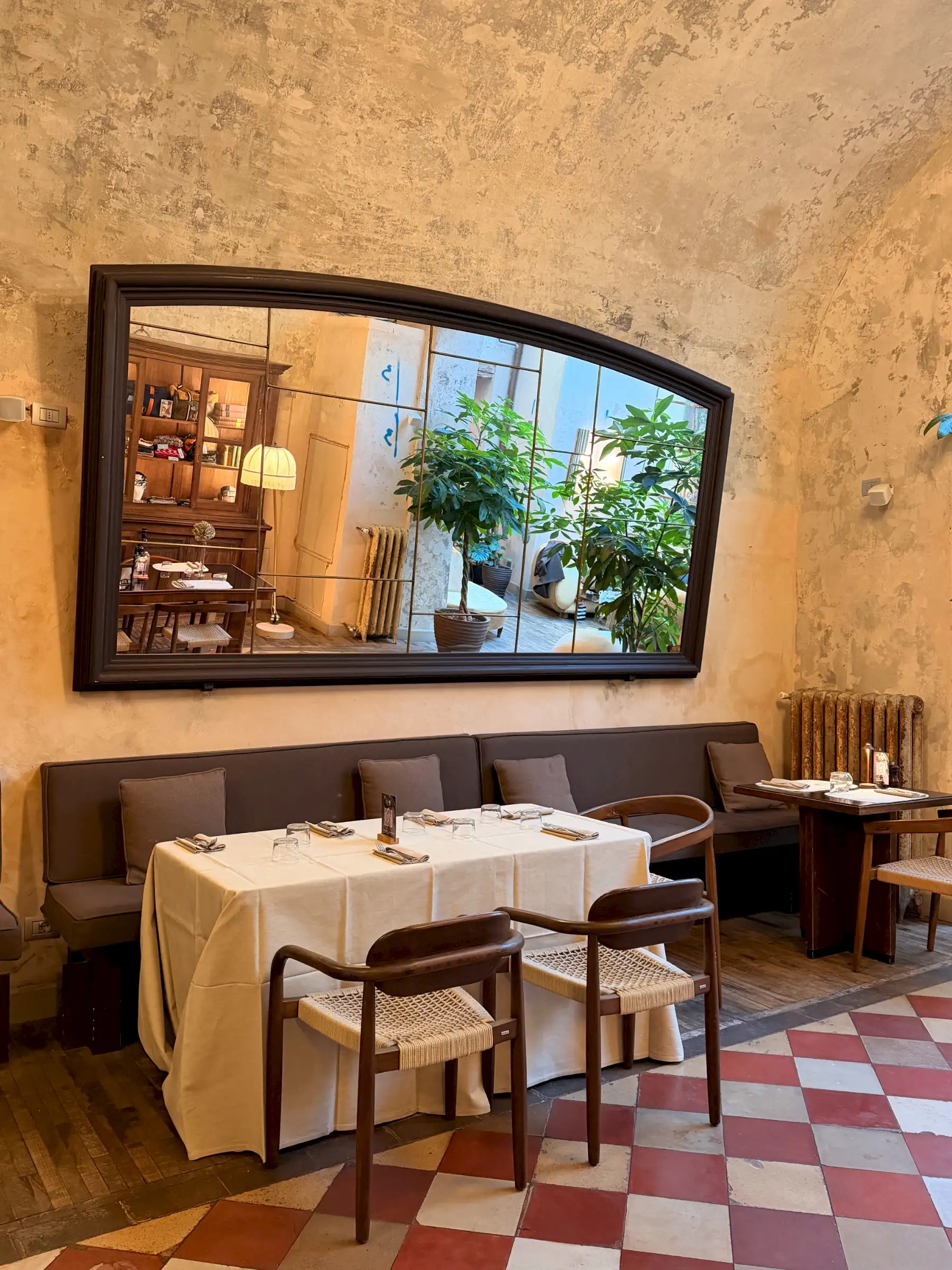
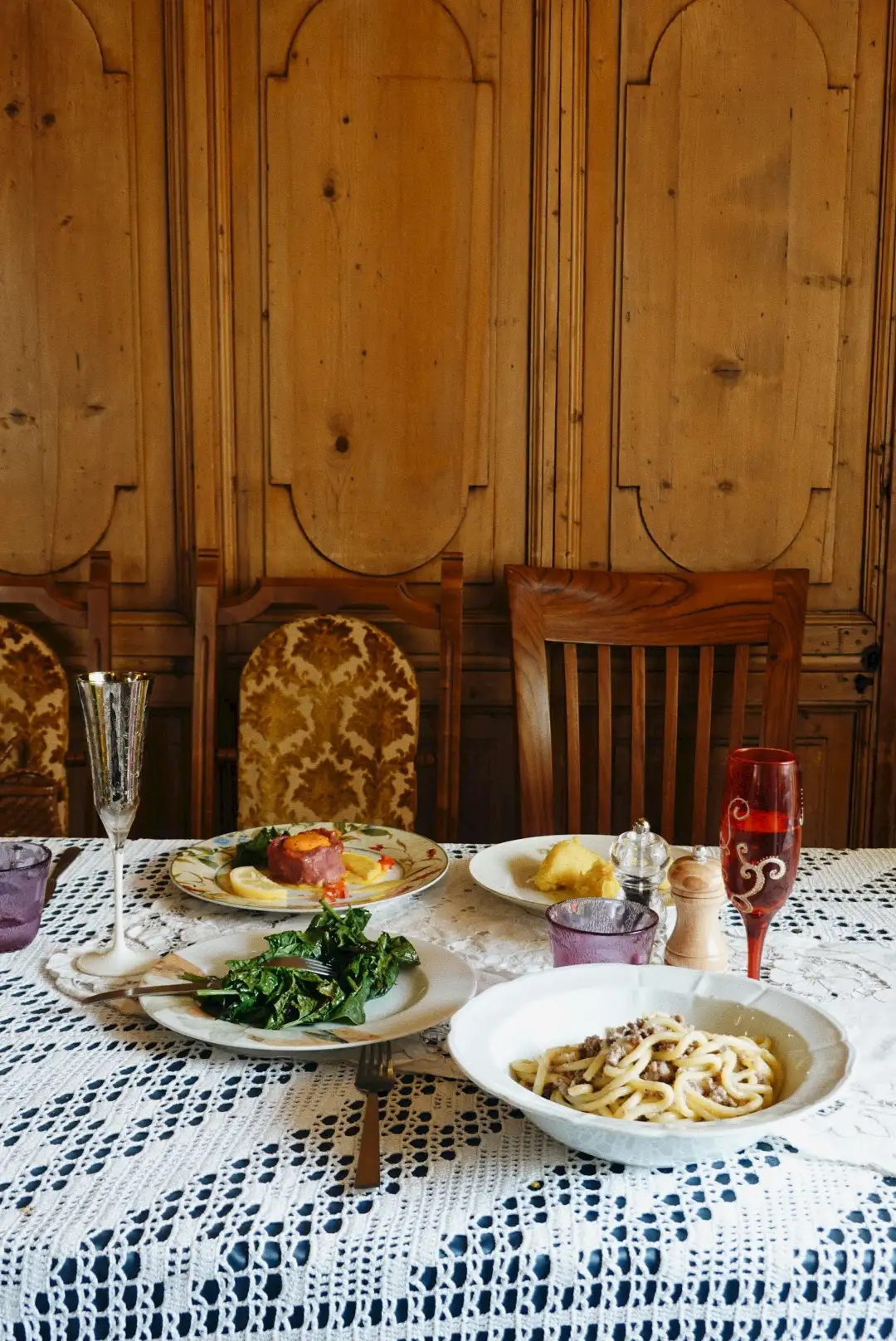
Antico Ristoro del Cambi is our usual lunch address near Piazza Santo Spirito. The bistecca alla Fiorentina arrives thick-cut and rare, traditionally sourced from Chianina cattle. If we skip the steak, pappardelle al cinghiale or pappa al pomodoro feel equally rooted in Tuscan tradition.
Tuscan red wines bring structure to these dishes without overpowering them. We often choose a Bolgheri DOC from the coast or a Vino Nobile di Montepulciano DOCG. Staff suggestions tend to reflect smaller producers and seasonal pairings.
Santo Spirito and the Artisan Quarter
Santo Spirito feels distinctly local, especially outside high season. The church, designed by Brunelleschi in the fifteenth century, anchors the square with quiet proportion. Daily life unfolds here in markets, conversations, and evening gatherings.
The Oltrarno has long been associated with workshops and craft. Galleria Romanelli continues a sculptural tradition dating to 1860, and independent antique dealers line nearby streets. We like to wander without a fixed plan, allowing time for unexpected discoveries.
Sunset Along the Arno
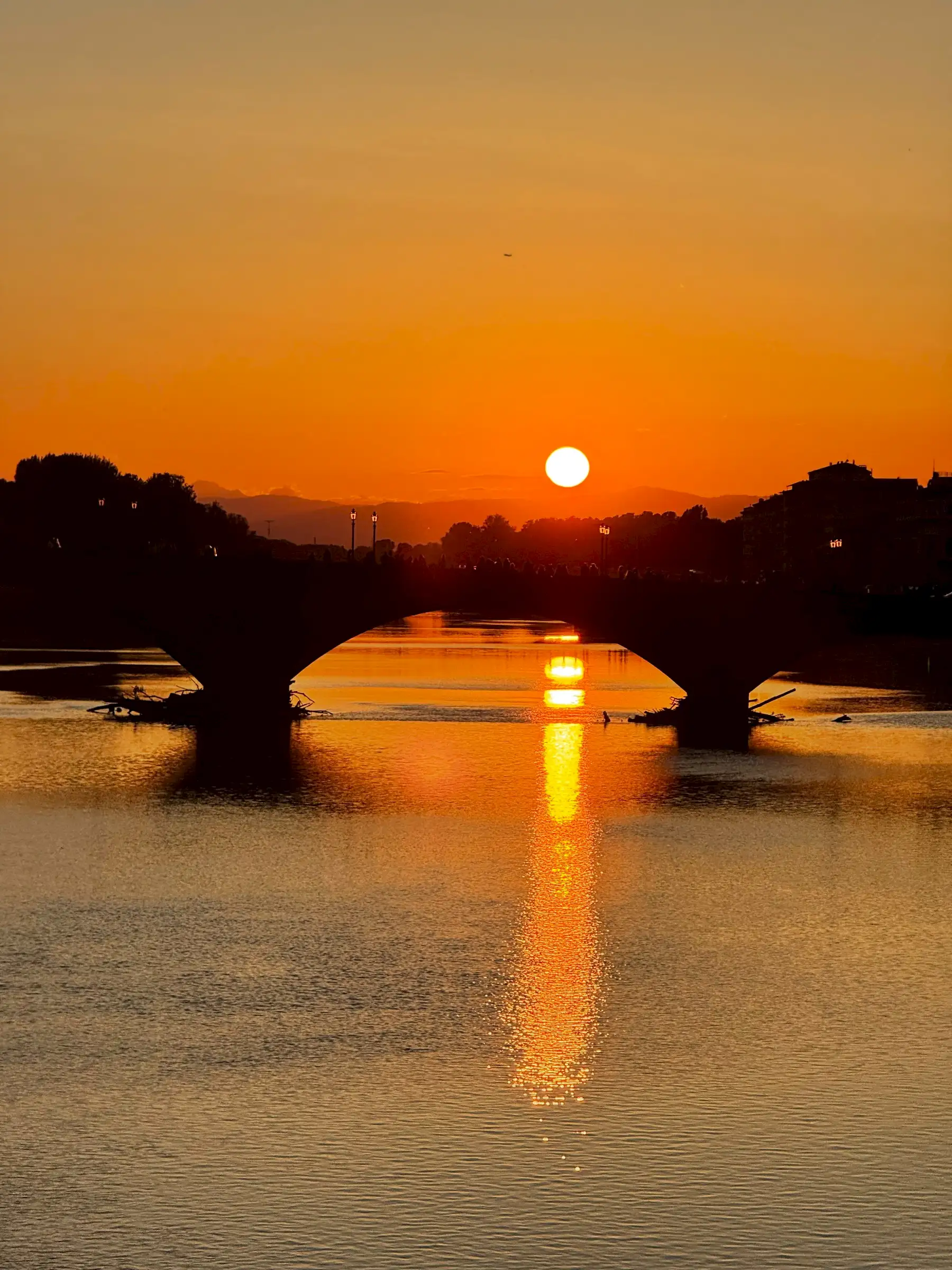
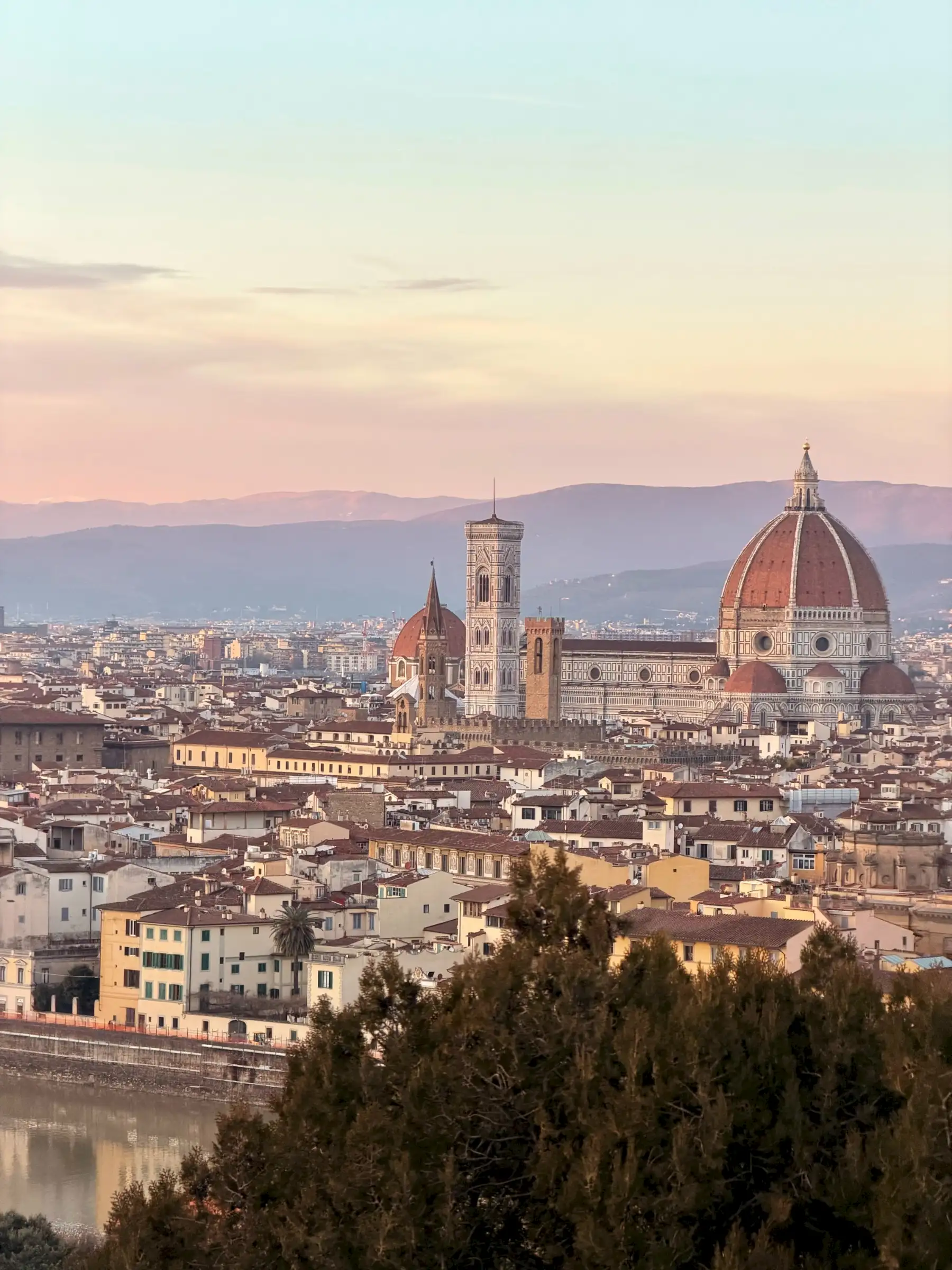
Ponte Santa Trinita offers our favourite sunset perspective in Florence. From here, Ponte Vecchio catches the last light while the buildings along the river deepen into warm ochre. The reflection across the Arno is what first made us fall for the city.
Hotel Palazzo Guadagni provides a different vantage point from its rooftop loggia above Piazza Santo Spirito. With a spritz in hand, the rooftops stretch toward the hills beyond Florence. The moment feels suspended between day and evening.
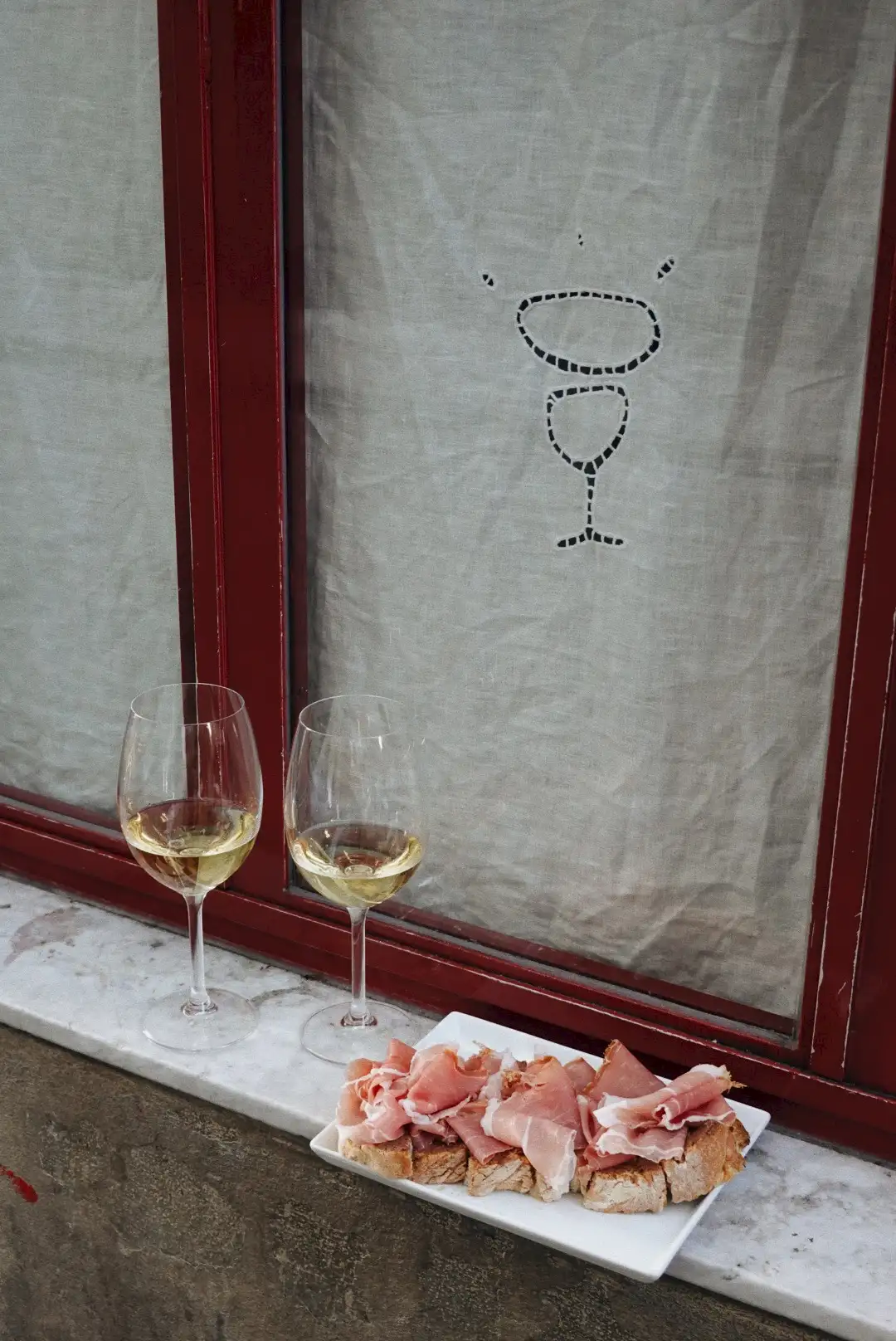
Il Santino captures the spirit of Florentine aperitivo. Locals stand outside with glasses of wine balanced on window ledges or even car bonnets. The ritual is informal yet deeply embedded in daily life.
Osteria del Cinghiale Bianco is our dinner address when we want something reassuring and Tuscan. After a midday steak, we lean toward a handmade pasta as a primo. Brunello di Montalcino DOCG or Bolgheri reds tend to suit the menu’s depth.
Day Two in Sant’Ambrogio and San Niccolò
Sant’Ambrogio in the Morning
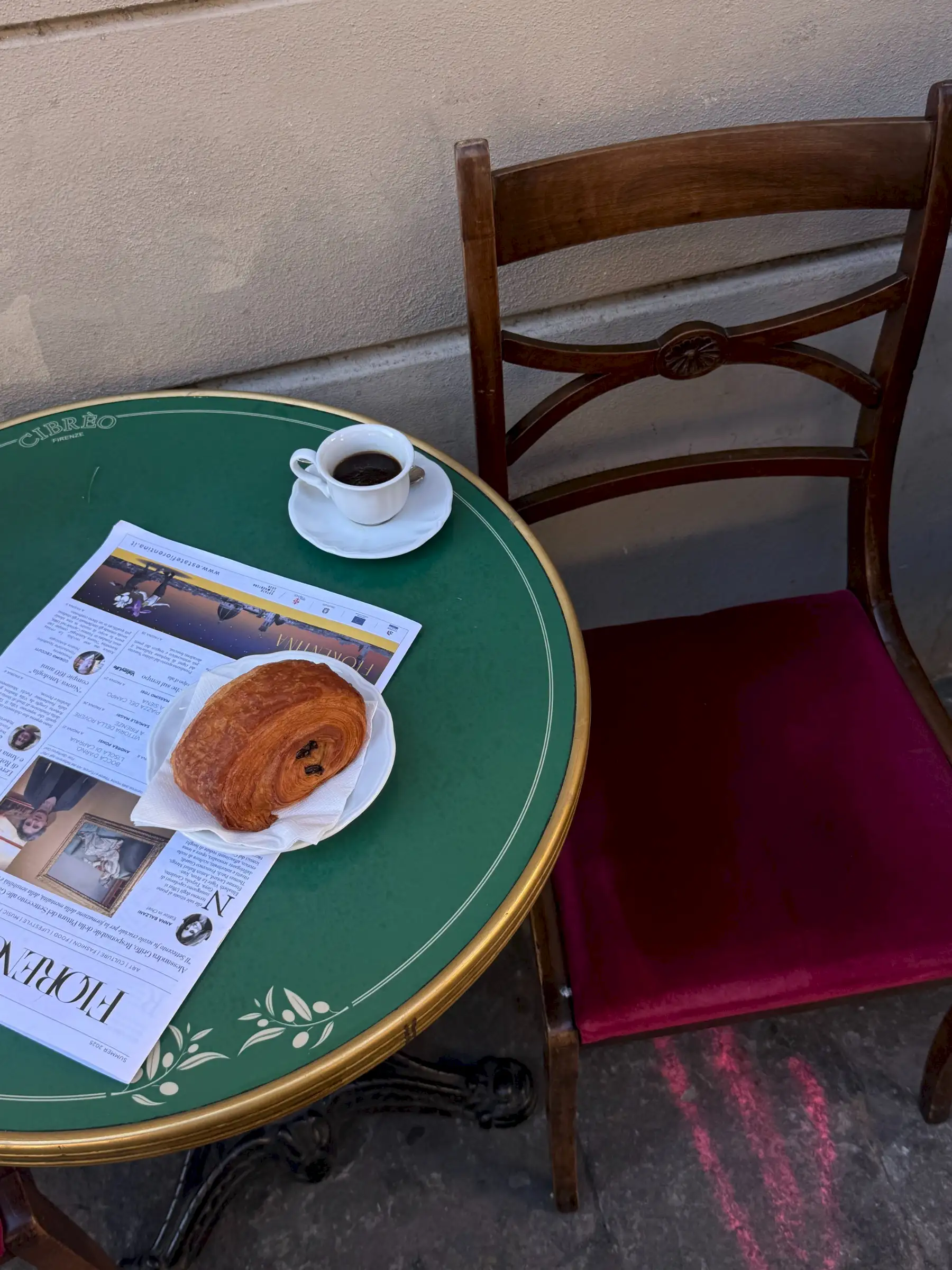
Sant’Ambrogio feels residential and grounded in routine. We begin at Cibreo Caffè, a longstanding meeting point for journalists, intellectuals, and neighbourhood regulars. If the weather allows, sitting outside extends the morning gently.
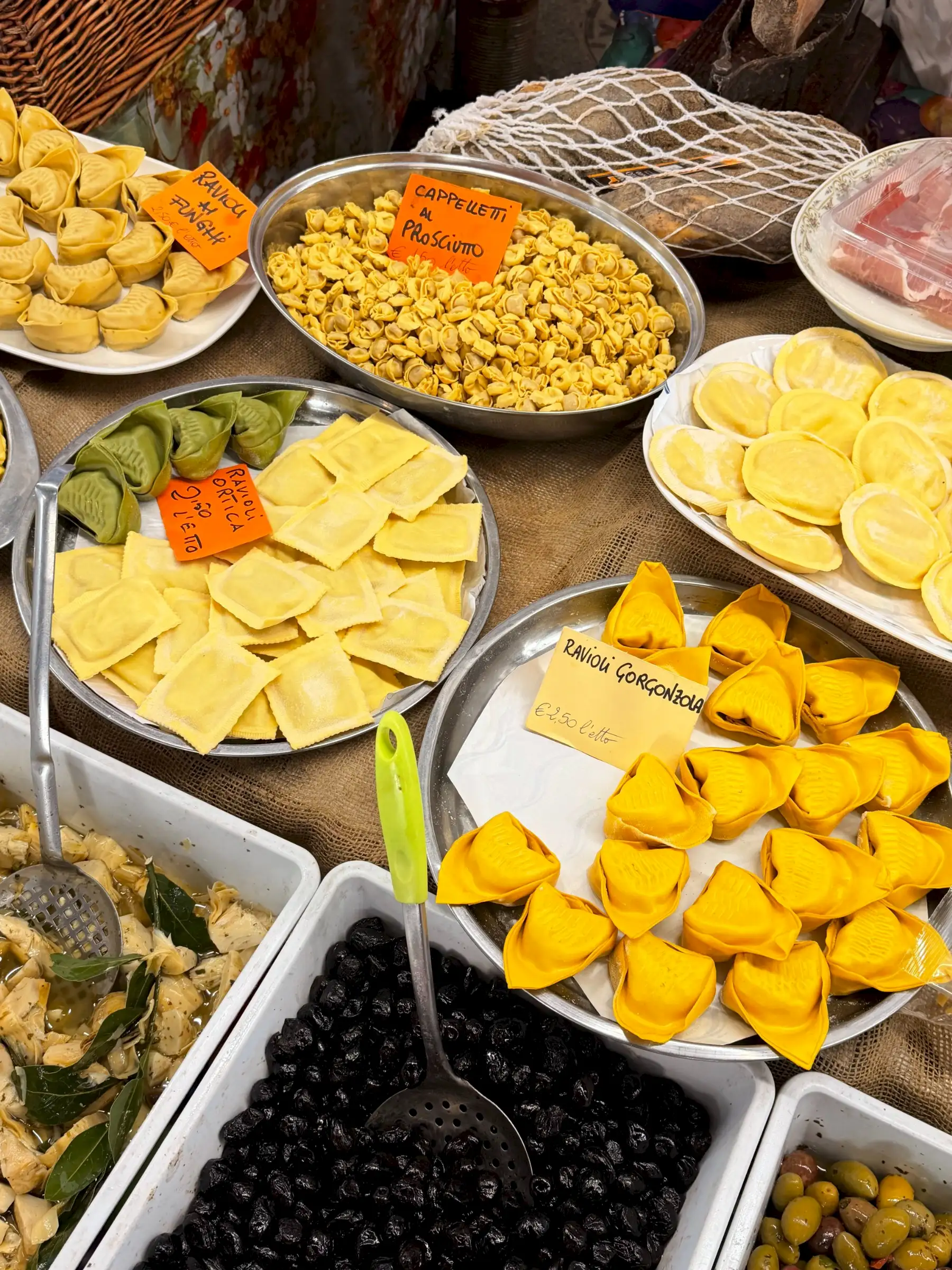
Mercato di Sant’Ambrogio has operated since 1873 within a nineteenth-century iron structure. Florentines shop here for vegetables, pecorino, and fresh meat with notable seriousness. The atmosphere is purposeful rather than performative.
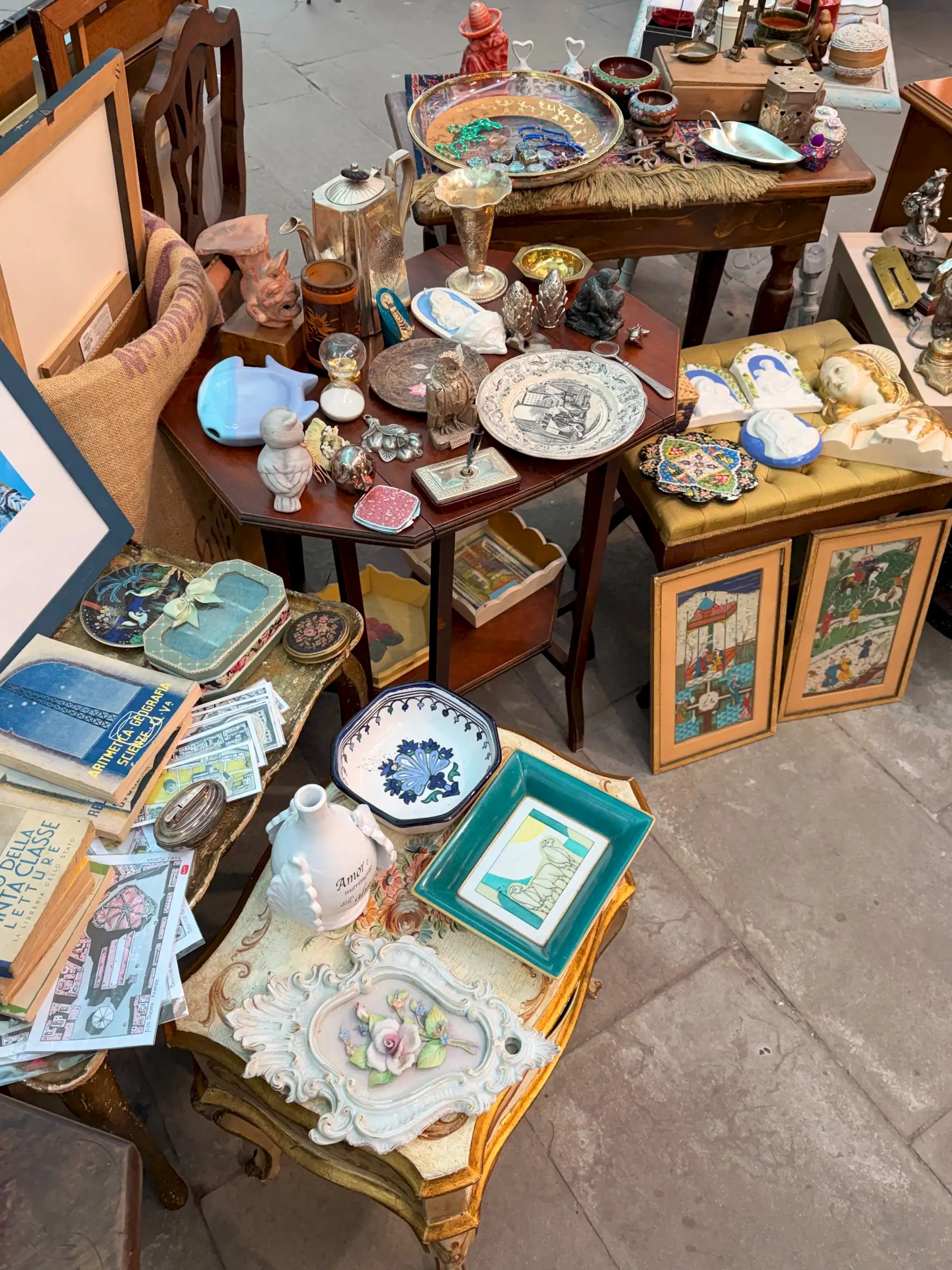
The nearby Mercato delle Pulci specialises in antiques and vintage finds. We like to browse slowly, never certain what small object might travel home with us. The pleasure lies in the search rather than the certainty of purchase.
The Bargello’s Renaissance Sculpture
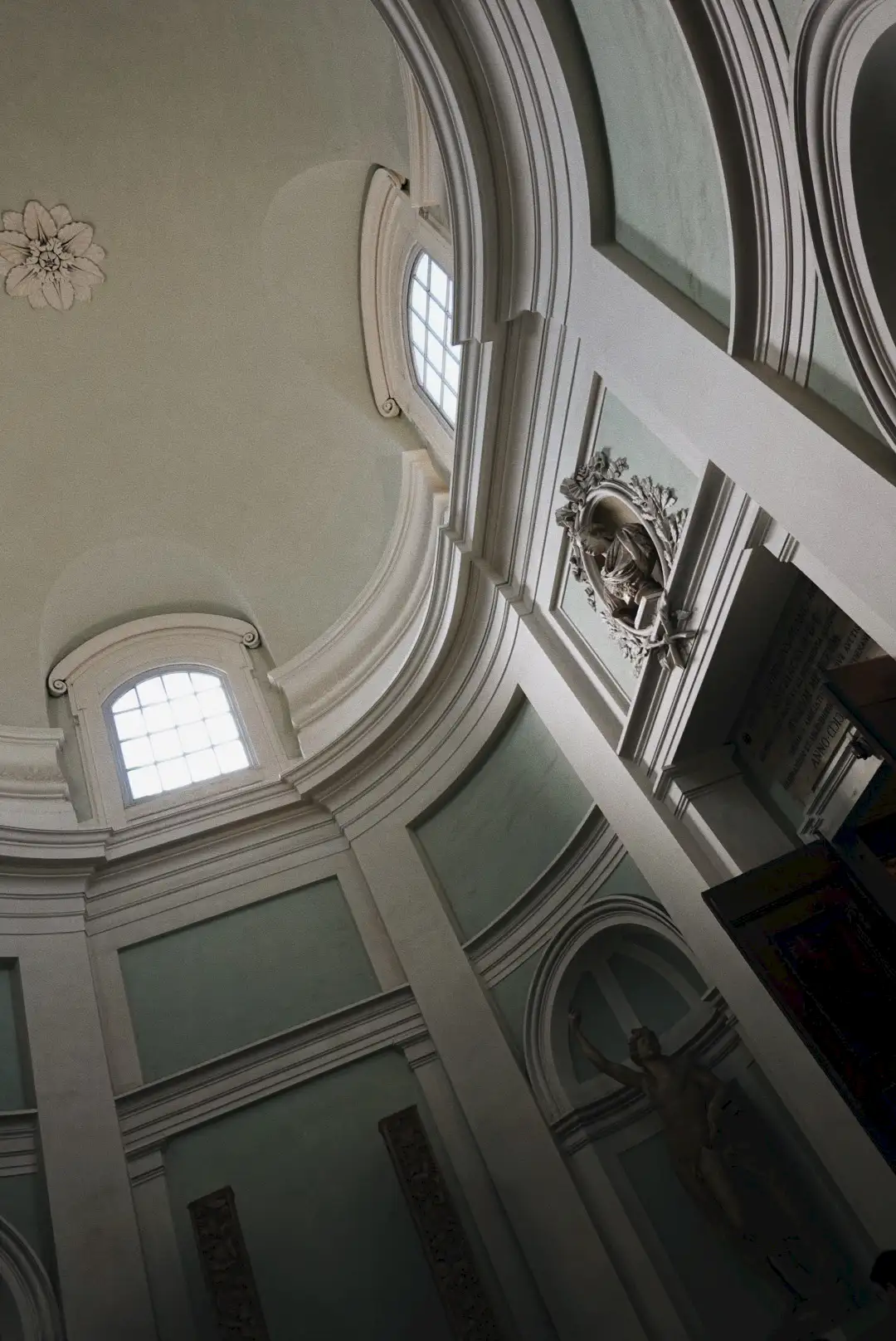
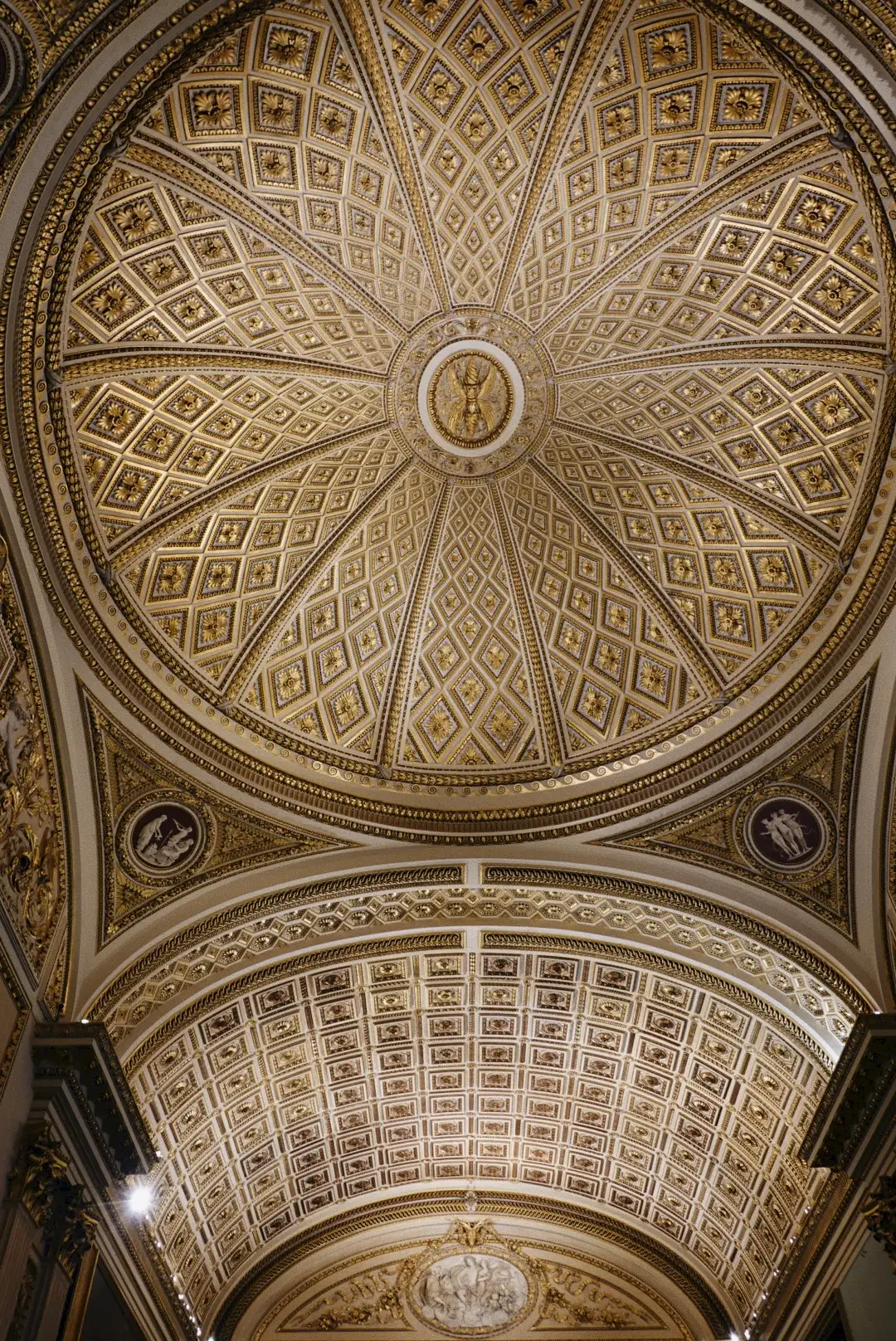
The Museo Nazionale del Bargello occupies a thirteenth-century palace once used as a civic building and prison. It houses one of Italy’s most significant collections of Renaissance sculpture. The atmosphere is calmer than the Uffizi, allowing closer study.
Donatello’s bronze David, created in the 1440s, stands as an early free-standing nude of the Renaissance. Works by Michelangelo, Cellini, and Giambologna unfold across vaulted stone rooms. A visit here usually takes one to two measured hours.
Lunch and the Southern Quarter
Floret offers lighter, vegetable-forward dishes near Piazza Beccaria. We come here when we want something simple and balanced. The room attracts a mix of locals and returning visitors.
Gilda Bistrot is smaller and more intimate, with a frequently changing menu. Its cooking feels honest and unfussy, shaped by seasonal sourcing. Reservations are sensible due to its limited tables.
San Niccolò sits at the base of the southern hills beyond the medieval walls. The cobbled streets are lined with restorers, small galleries, and independent boutiques. The pace slows naturally as the streets incline.
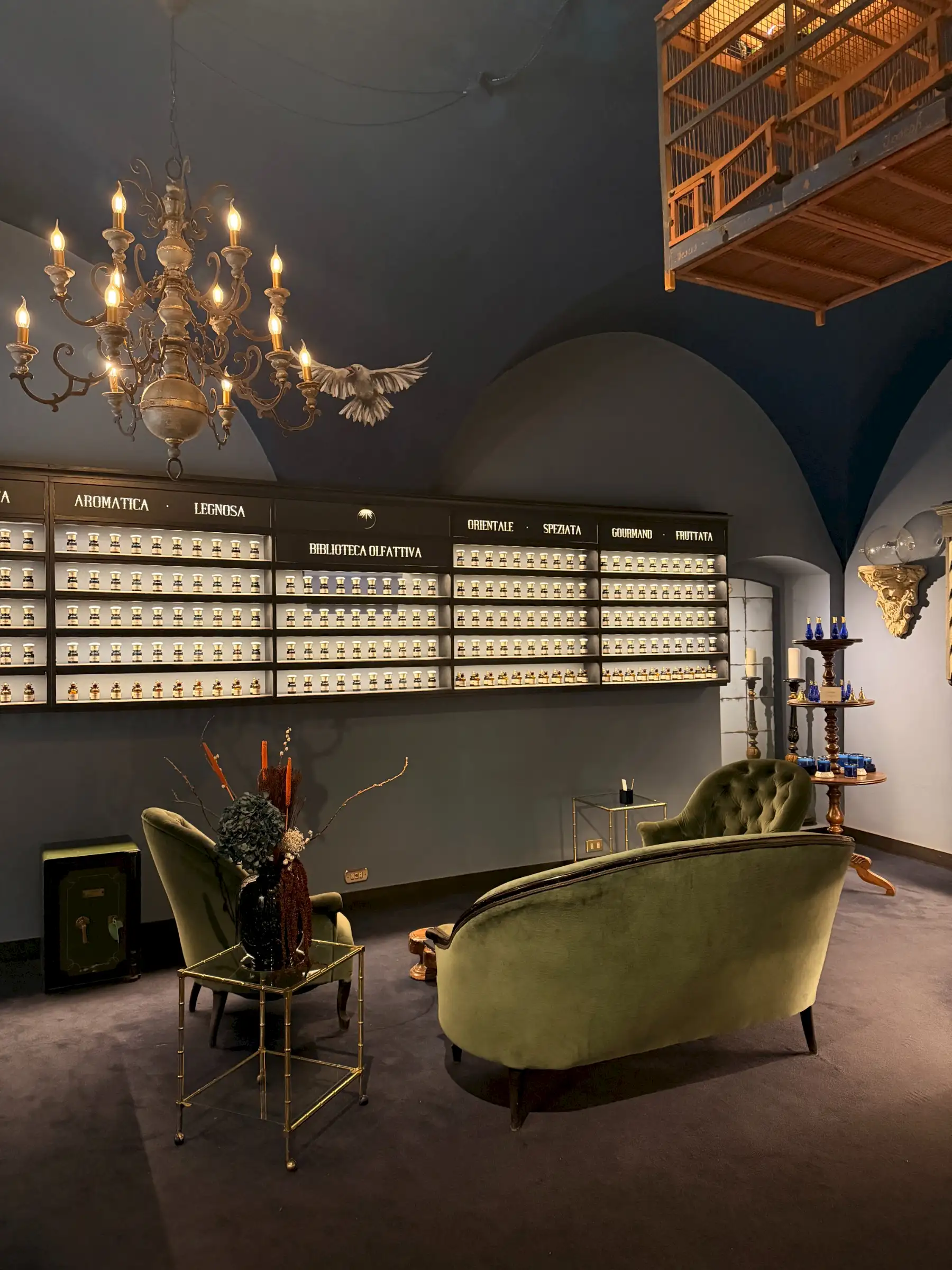
Profumoir was founded by master perfumer Sileno Cheloni and Daniele Cavalli. The space functions as an olfactory library with more than forty notes available for experimentation. Creating a personal fragrance becomes part ritual, part memory exercise.
A Final Evening in Florence
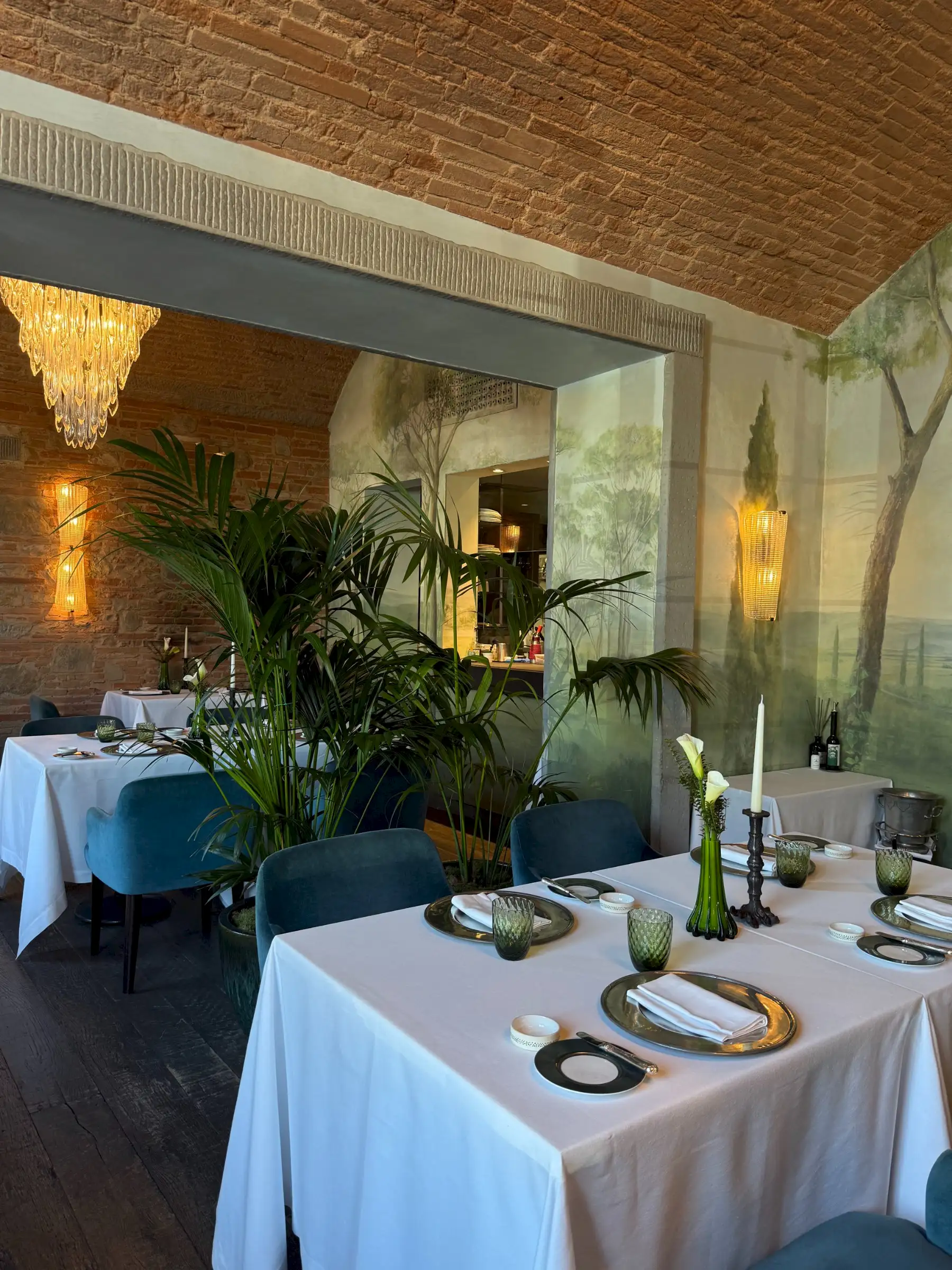
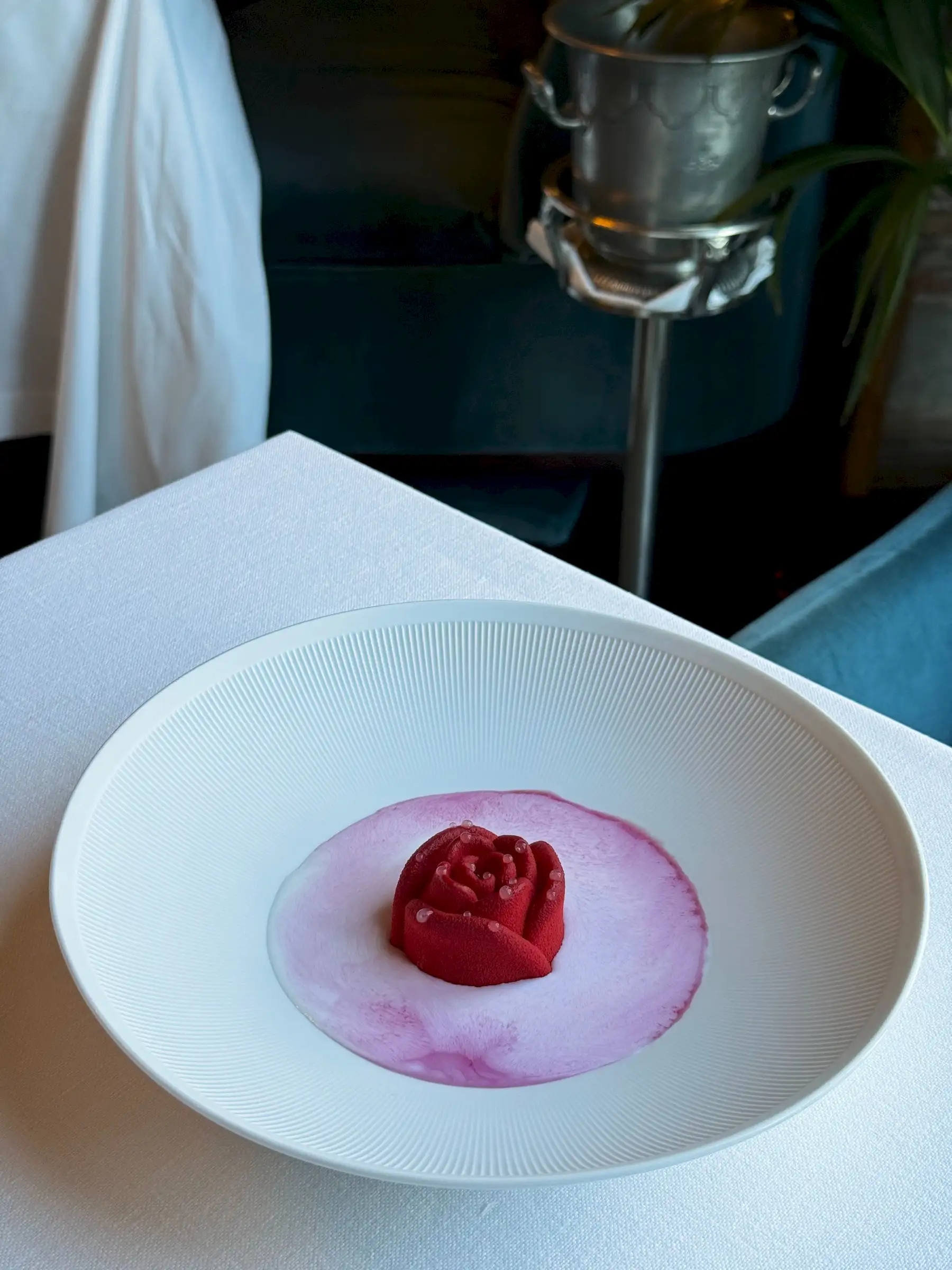
Saporium Firenze holds a Michelin star and serves as the city counterpart to Borgo Santo Pietro. Led by Chef Ariel Hagen, the kitchen draws from the estate’s biodynamic farm. The tasting menu reflects seasonal research and agricultural precision.
Farm-to-table dining in Florence connects urban restaurants to the Tuscan countryside. Ending here feels considered rather than extravagant. Two days in the city rarely feel sufficient, yet they often mark the beginning of a longer attachment.
Do you also want to discover Italy? Have a look at our holiday villas in Italy here.
Lucrezia Worthington
I am a Travel Journalist and Content Creator born in the UK, made in Italy. It is in fact in Italy that I have settled down, travelling to Umbria, Puglia and Sicily on a frequent basis. Although it seems as though I was always destined to work in the travel industry (I took my first flight at the age of 3 weeks old), I wouldn't have had it any other way. I love discovering, exploring and sharing the beauty of this world, and specifically, of our country: Italy.