Written by Sofia Di Stefano, photography by Yeelen Tavilla
modified 27 May 2026
6 min. read
If you’ve never been to Palermo, nothing quite prepares you for it. The city hands you everything at once. The noise, the crumbling grandeur, the smell of frying dough and sea salt, the gold mosaics of a 12th-century chapel visible through an open door. Somewhere in the middle of all that, you realize this city is unlike anywhere else in Europe. One day is enough to fall for it. Here’s how to spend it well.
Morning
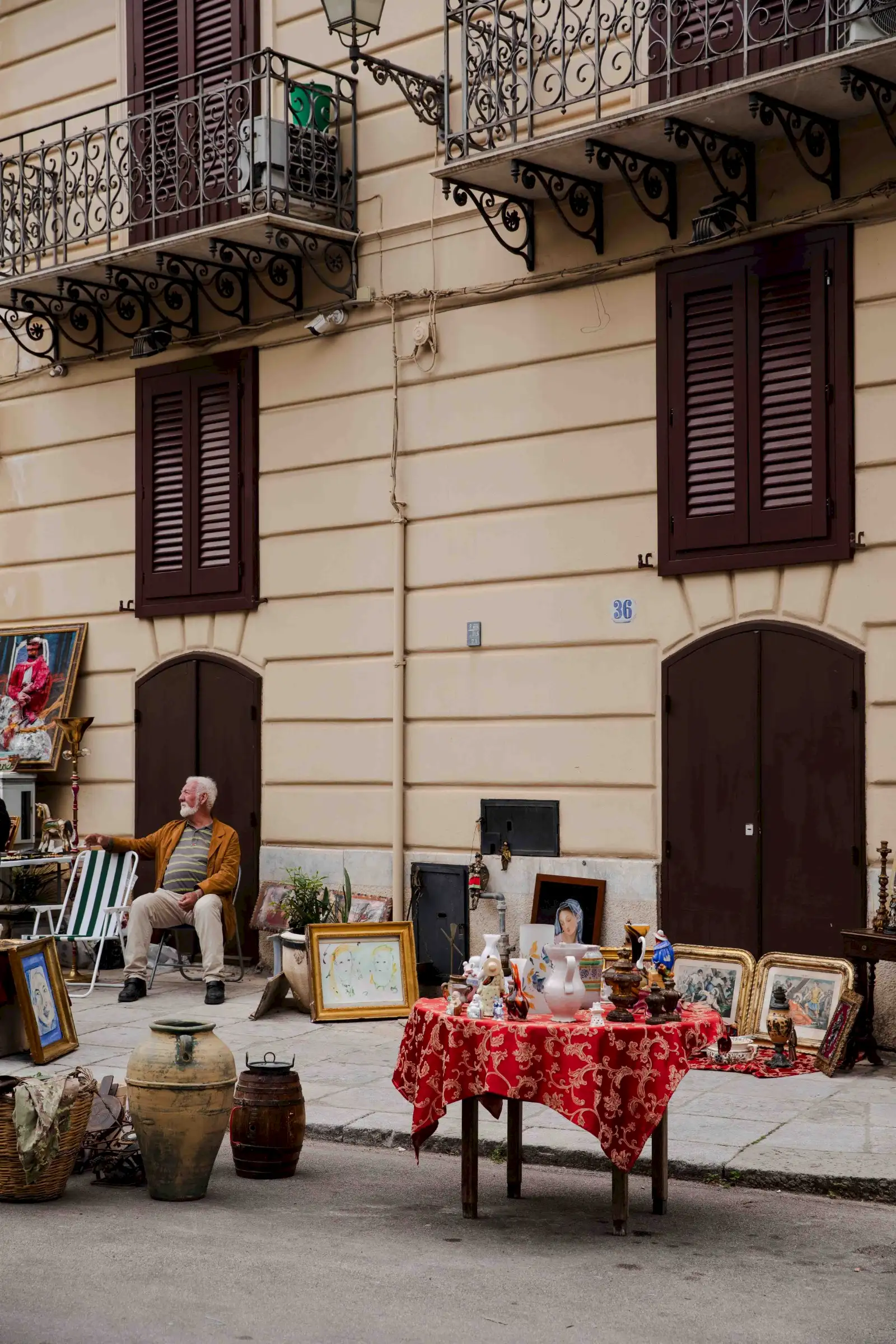
If you’re there on a Sunday, start at Piazza Marina before anything else. A vintage market sets up there in the morning, filling the square with clothes, ceramics, old prints, and things with unclear history. It draws exactly the kind of unhurried crowd that makes browsing feel like a pleasure rather than a task. A gentle way into the city before the heat and noise pick up.
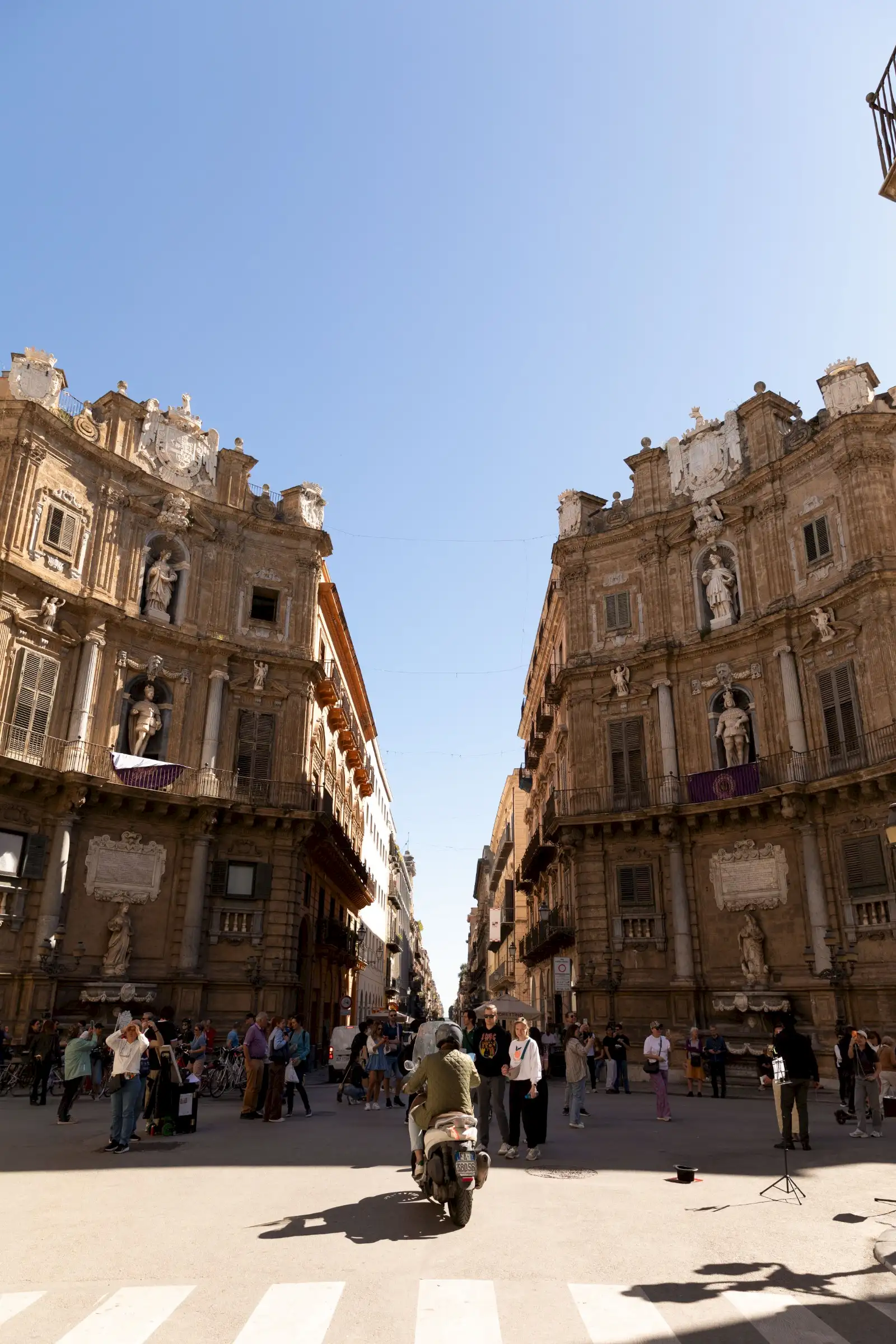
On any other morning, begin at Quattro Canti, Palermo’s theatrical crossroads. Four curved Baroque façades face each other at the intersection, each carved with seasons, kings, and saints. Over-the-top, and deliberately so.
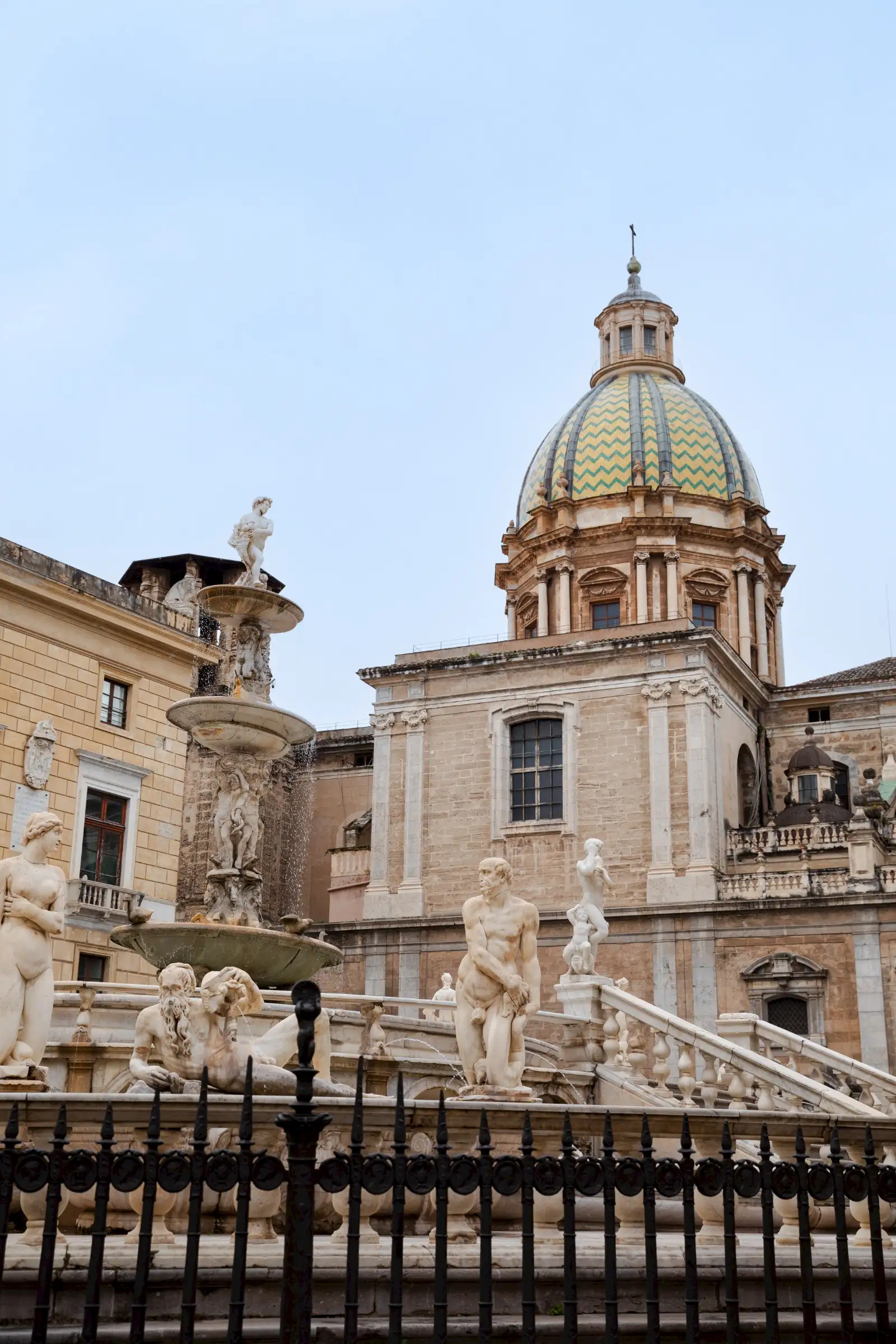
Two minutes away is Piazza Pretoria, home to the fountain locals nicknamed Fontana della Vergogna, the Fountain of Shame, because of all the nude marble figures. It caused a genuine scandal between the nuns in the nearby convent when it was installed. Palermitans have always had opinions.
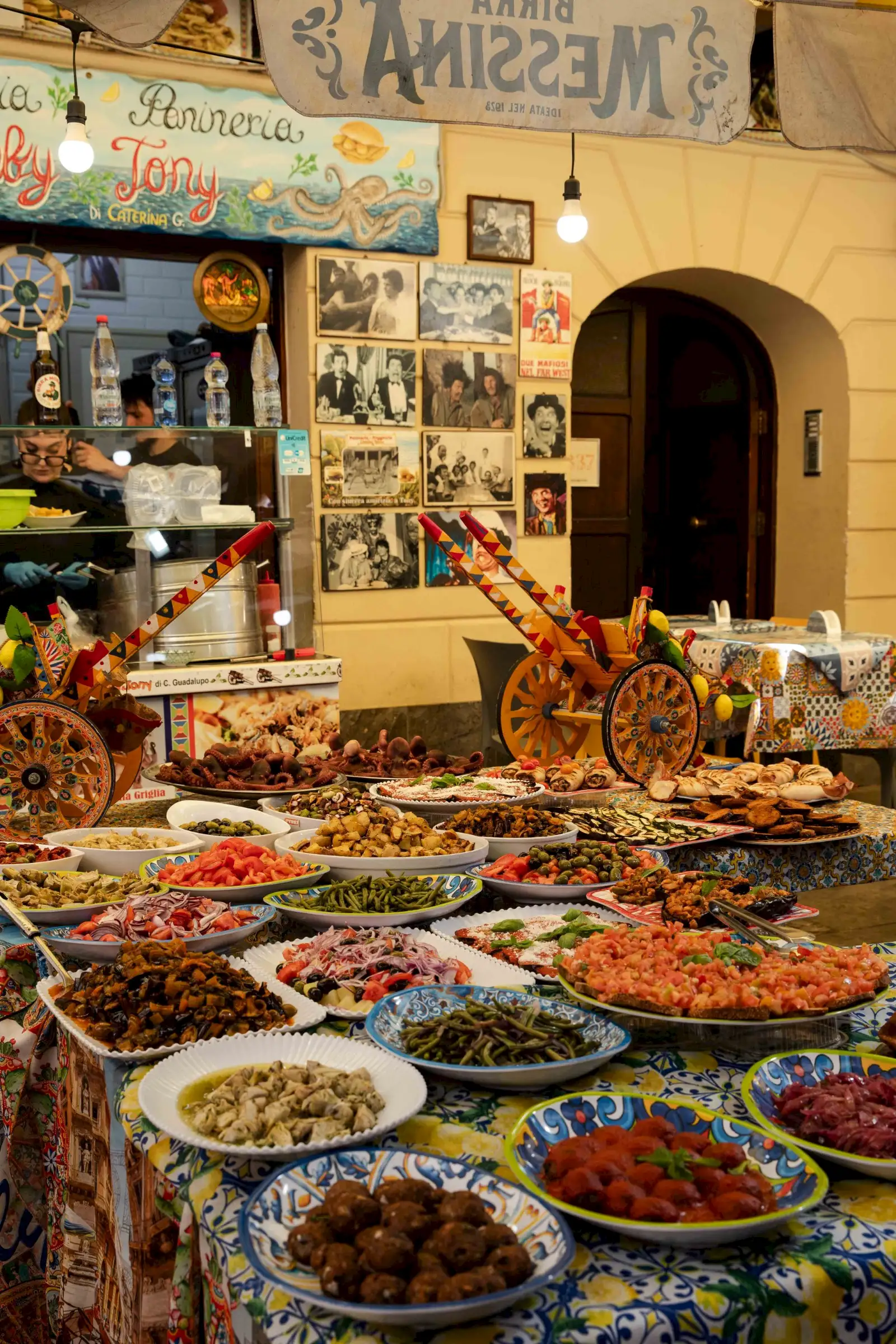
From there, walk to Ballarò. Palermo’s oldest market is loud, immediate, and full of character. Vendors doing call-and-response with the crowd, swordfish heads on ice, citrus stacked into pyramids. Thirty minutes here will recalibrate you entirely.
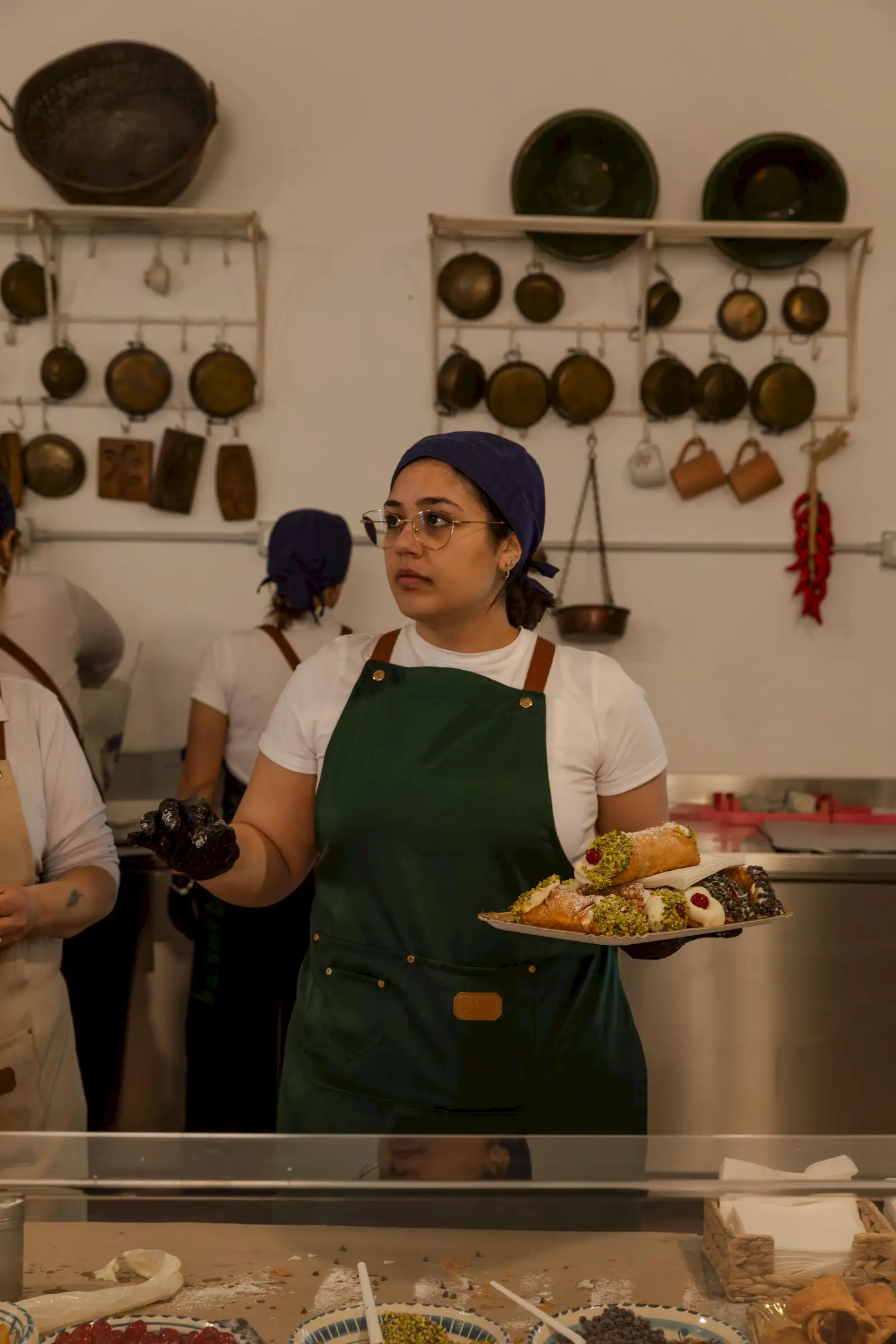
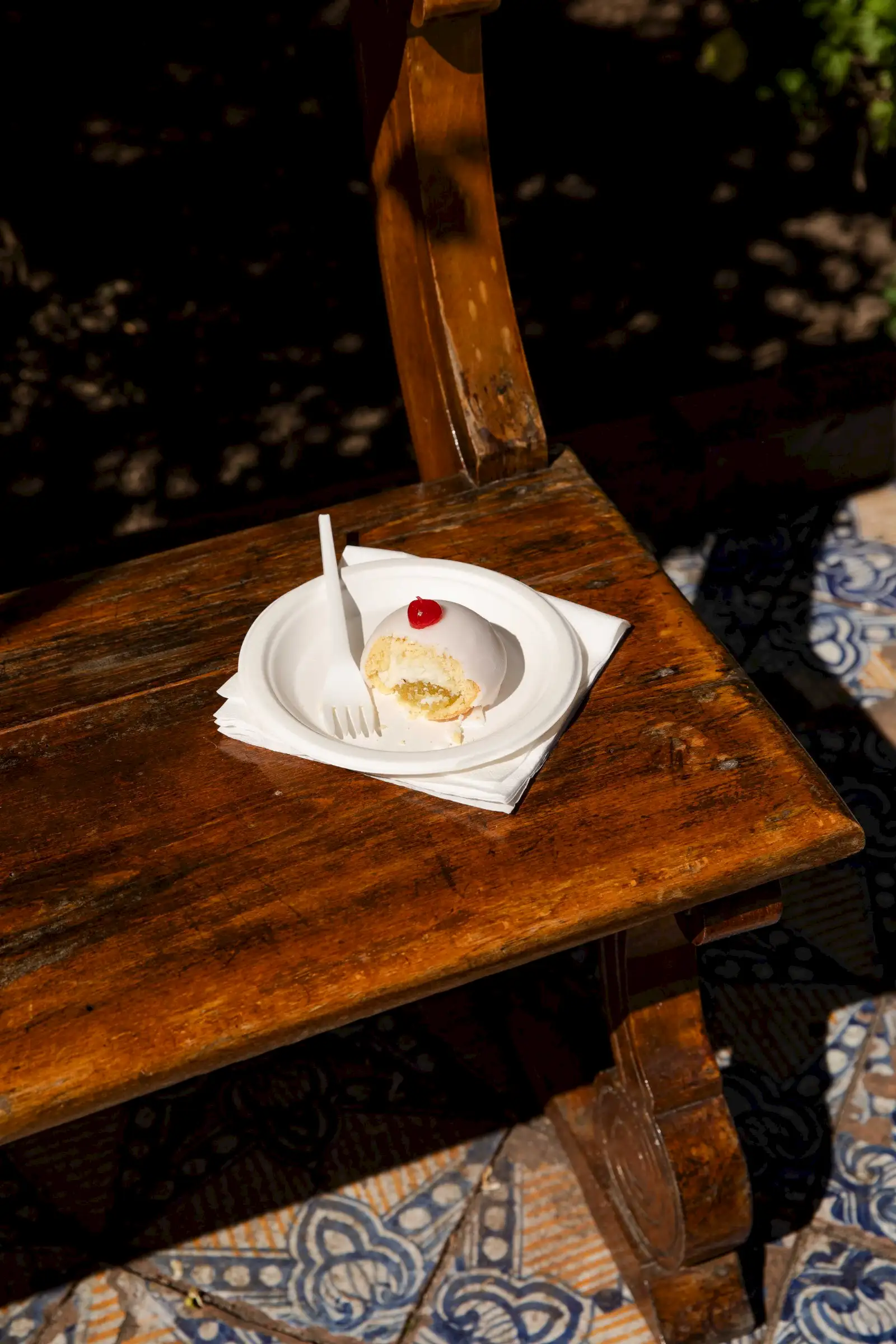
Then find the monastery of Santa Caterina in Piazza Bellini. Inside, nuns, or at least their recipes, are responsible for some of the best pastry in Sicily, I Segreti del Chiostro. Get a cannolo filled in front of you, and choose the toppings from candied orange peel, chocolate drops, and Sicilian pistachios. Sit in the quiet of the cloister and eat slowly. After the market, the contrast feels almost cinematic.
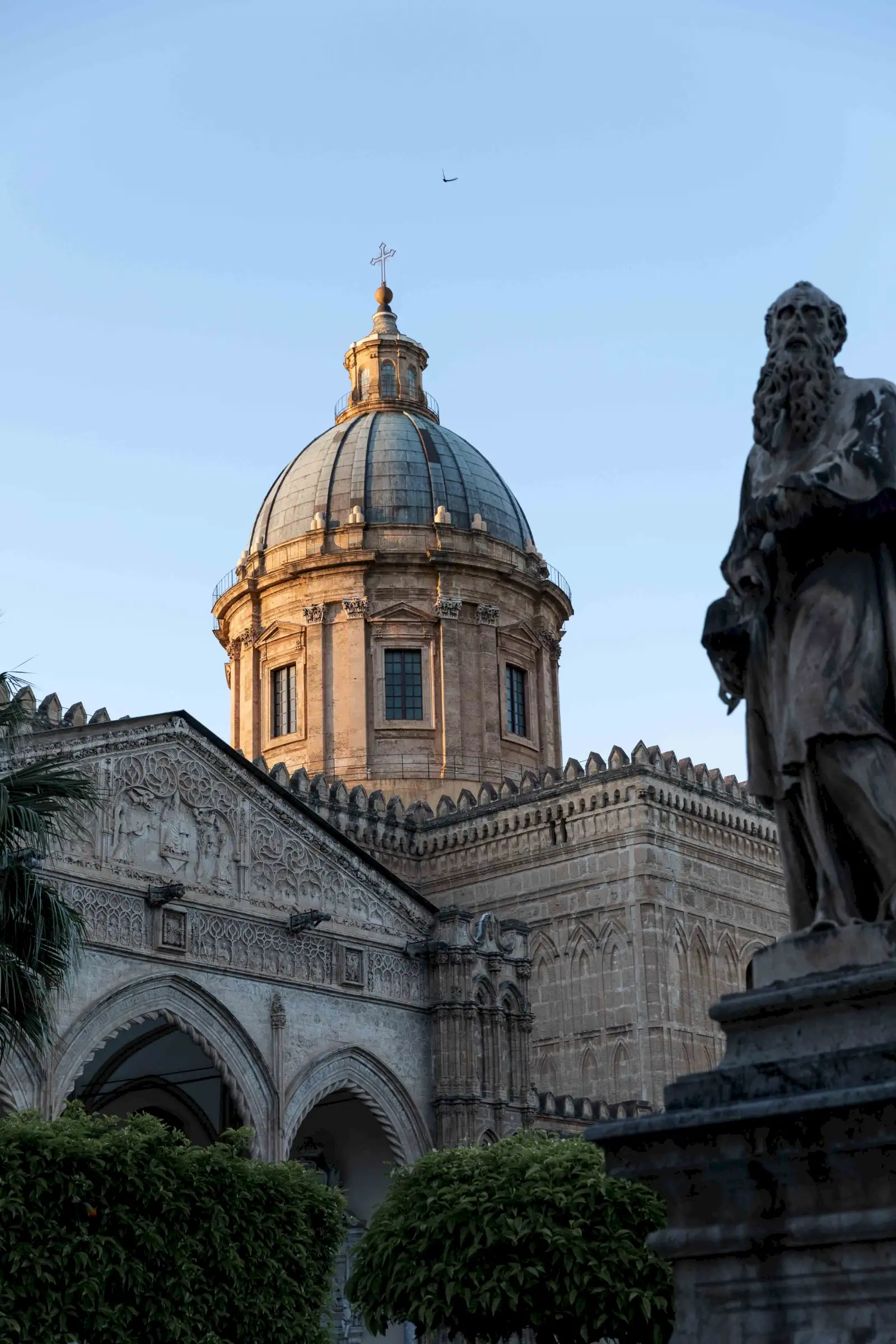
Walk down Corso Vittorio Emanuele to the Cathedral. Its architecture is a mix of Norman, Gothic, and Baroque styles, with each ruler adding their own touch without removing what came before. On the far-left column of the portico, you’ll find a Kufic Arabic inscription from when the site was a mosque. It’s a reminder of Palermo’s Arab heritage and is likely the only Kufic inscription inside a standing church in Europe.
Finish your morning at the Cappella Palatina inside the Norman Palace. This small royal chapel brings together Byzantine mosaics, Arab wooden ceilings, and Norman stonework. Be sure to book ahead, arrive early, and take your time to appreciate it.
Midday
For lunch, try a pane ca meusa, which is a spleen sandwich, from Nni Francu u Vastiddaru on Via Vittorio Emanuele. Eat it standing outside on the street. If you’re not into offal, go for pane e panelle, chickpea fritters inside a sesame bun, instead. Both options have been local favorites for generations and still taste just right.
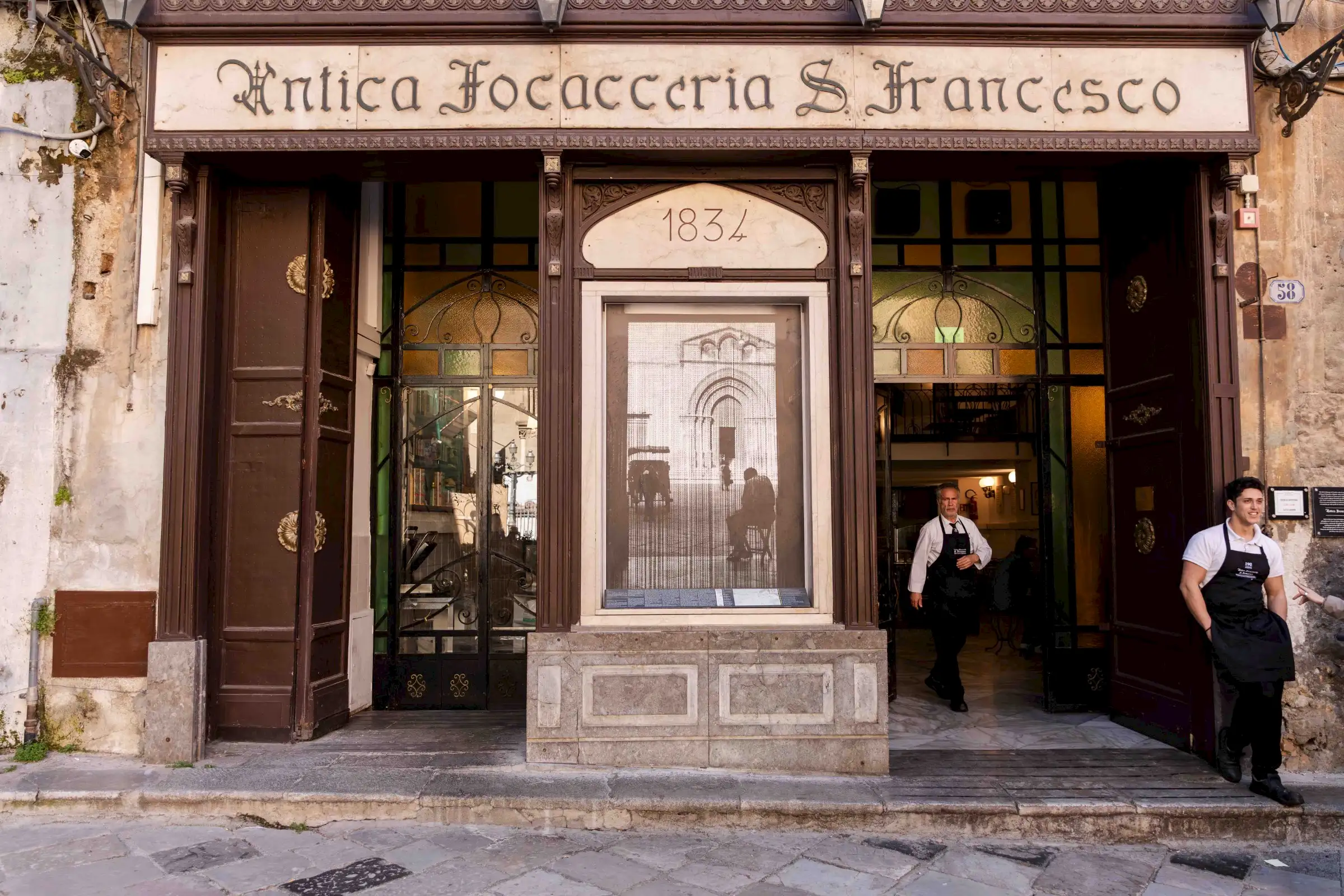
If you’d rather sit down, Antica Focacceria San Francesco on Via Alessandro Paternostro has been feeding people since 1834. Garibaldi ate there, and the food holds up.
Afternoon
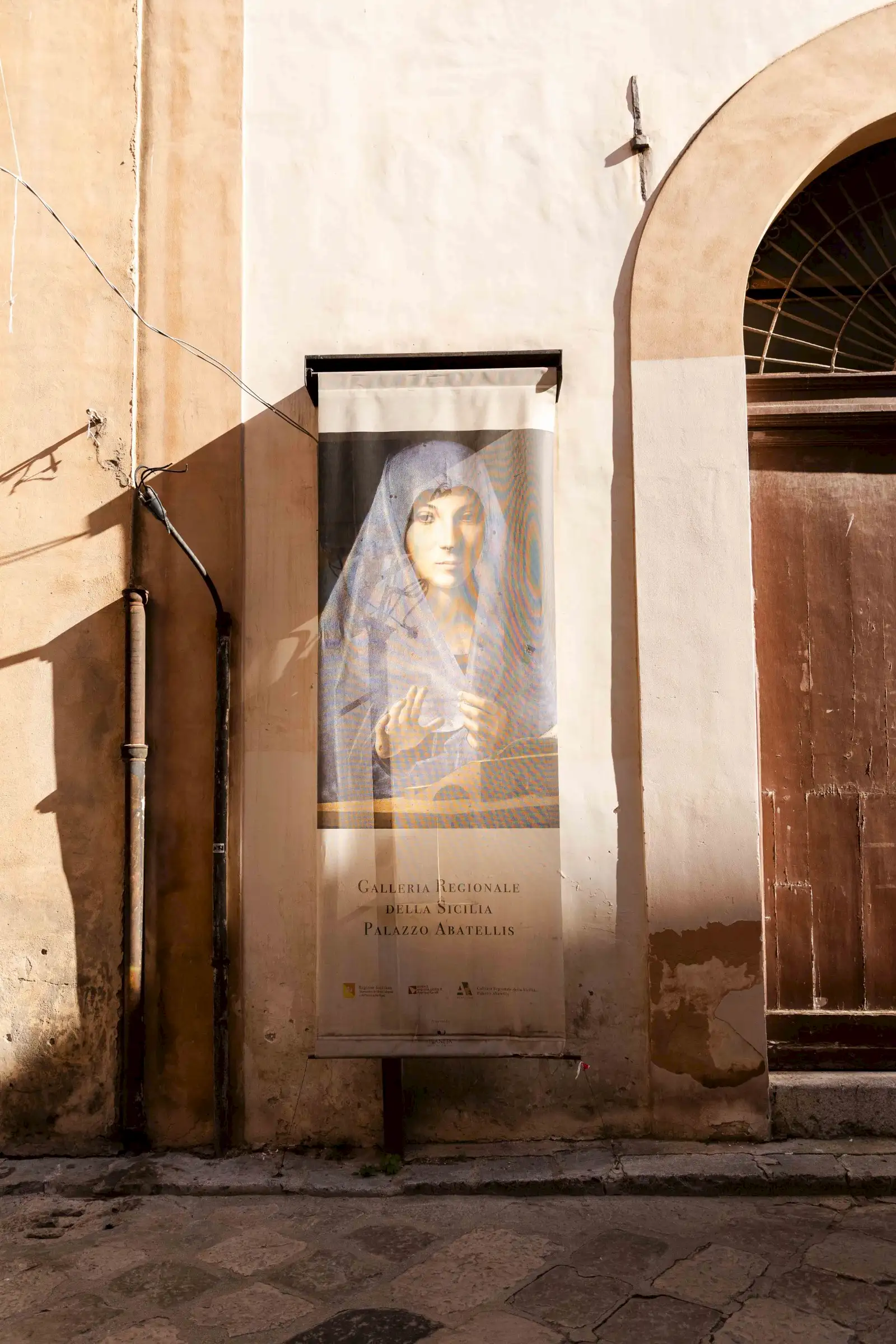
The afternoon belongs to the Kalsa. The old Arab quarter. Some of the palazzi are restored, some held together by optimism. At Palazzo Abatellis, find Antonello da Messina’s Annunciata, a portrait of the Virgin caught in a moment of stillness. A small painting that makes the room very quiet.
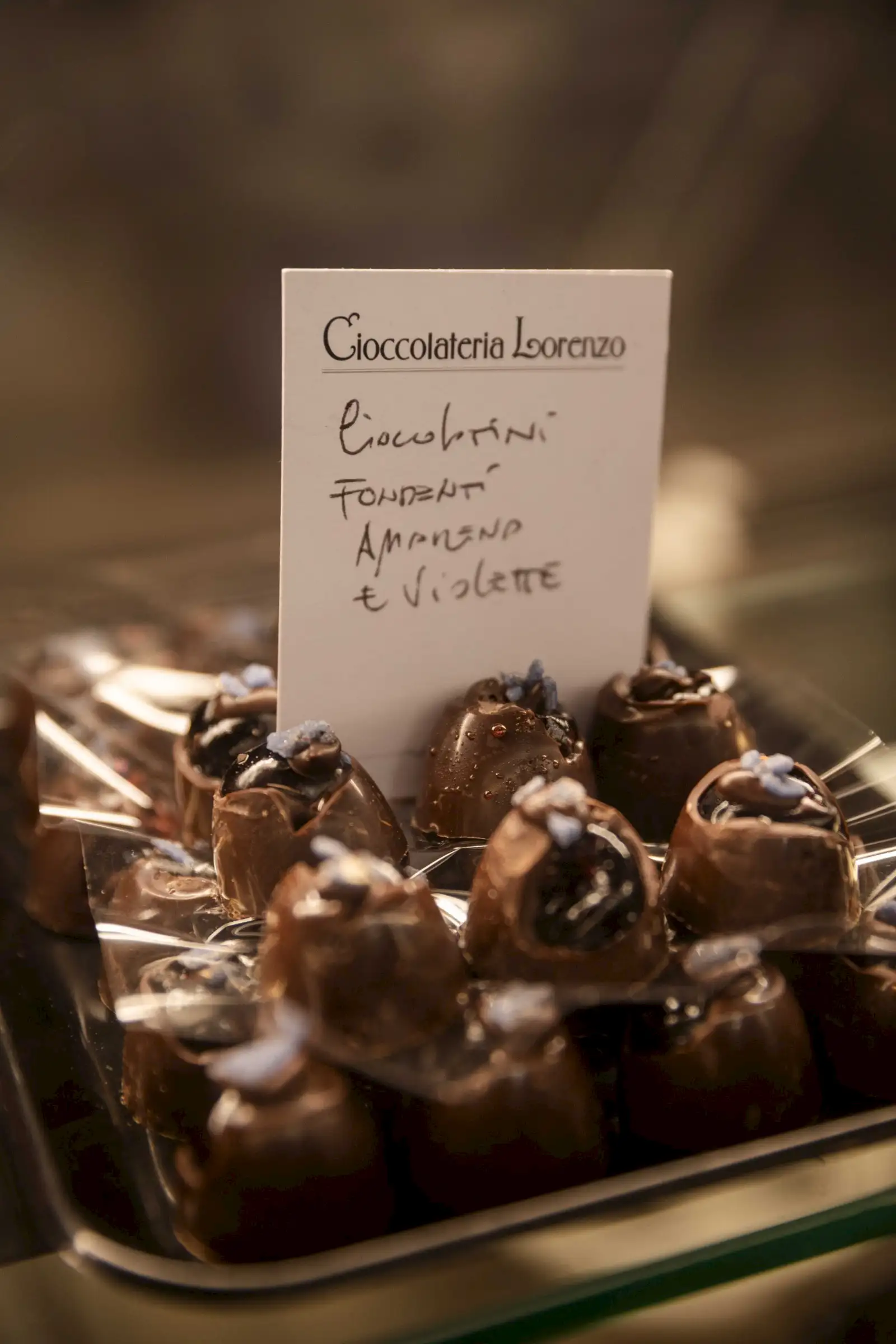
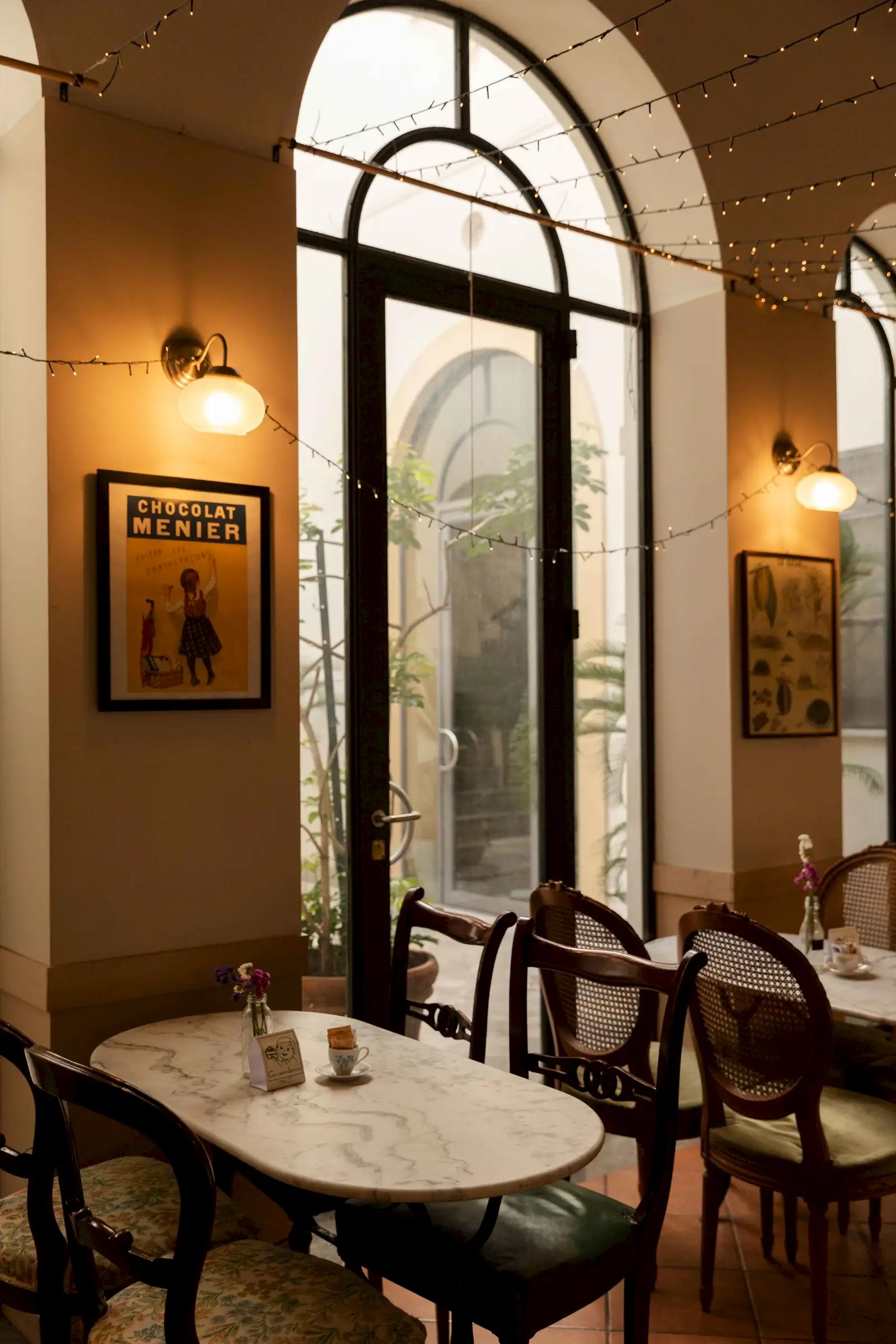
Next, head to Cioccolateria Lorenzo, located in a former public bathhouse near Piazza Marina. The place is decorated with fairy lights, second-hand books, upcycled furniture, and a leafy courtyard filled with potted palms. It feels like a spot that grew naturally rather than being carefully planned. The hot chocolate is famously thick, the tiramisu is the best around, and the owner will even remake your order if he thinks it did not come out right.
Before the light fades, stop for an arancina. I Cuochini on Via Ruggero Settimo make small, elegant ones from a hidden courtyard you might miss. At Bar Touring, the arancina bomba is the opposite: big, dense, and incredibly satisfying. Both choices are excellent.
Sunset
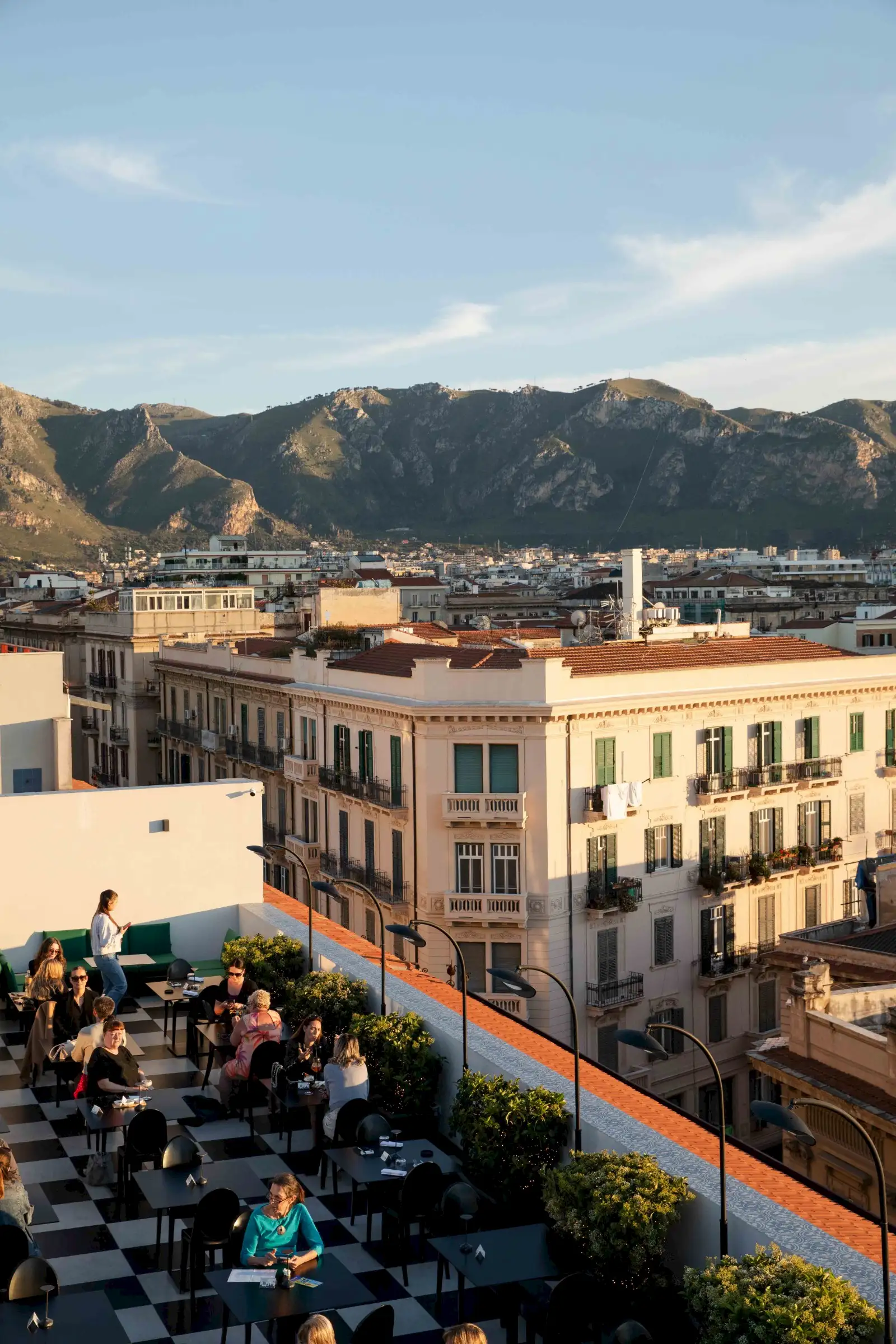
Head to the rooftop of Hotel Ambasciatori as the afternoon cools. The light over Palermo at this hour, warm, slightly amber, catching the domes and the peeling façades, is the kind of thing that makes you understand why people keep coming back. Order something cold and stay longer than you planned.
Evening
Afterward, visit Via Alessandro Paternostro. The street is lined with bars and aperitivo spots, each with its own character. It’s the perfect place to slow down, pick a stool, and let the evening start.
Two worth knowing: Vermoutheria is Palermo’s first bar dedicated entirely to vermouth, with over 60 labels spanning white, red, rosé, dry, and barrel-aged. The signature cocktails lean into Sicilian ingredients, the food is simple and well chosen, with charcuterie boards and their own focaccia. The vinyl sets move between jazz and electronic. It’s also one of the city’s first listening bars, with vinyl sets that play everything from jazz to electronic.
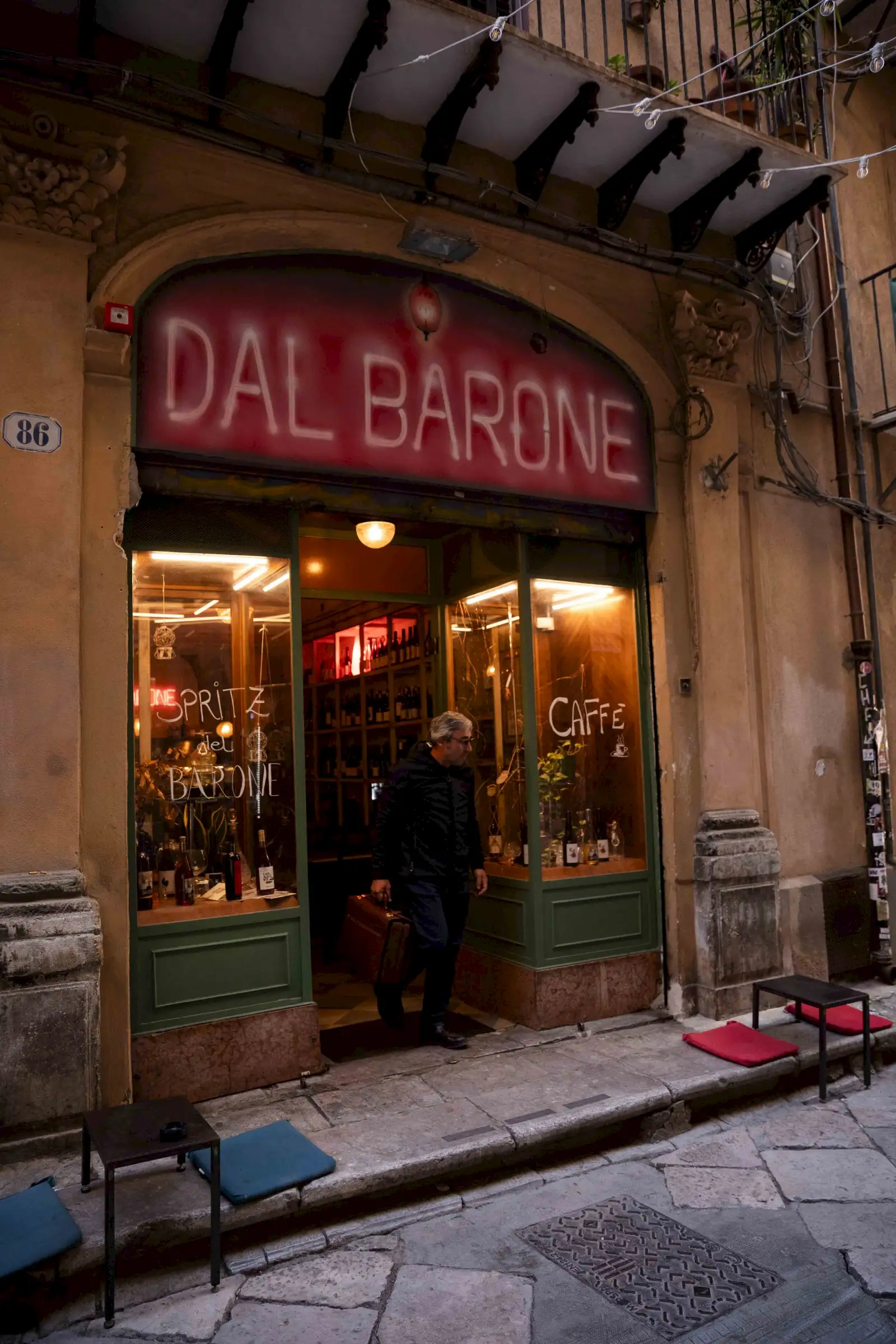
Dal Barone is the quieter option. A small, intimate wine bar focused on natural wines from Sicilian producers. The Catarrotto orange wine is the king to ask for. The charcuterie boards are carefully put together, and the staff knows the list well and won’t steer you wrong, and the atmosphere is the kind that makes it easy to stay for one more glass longer than you planned.
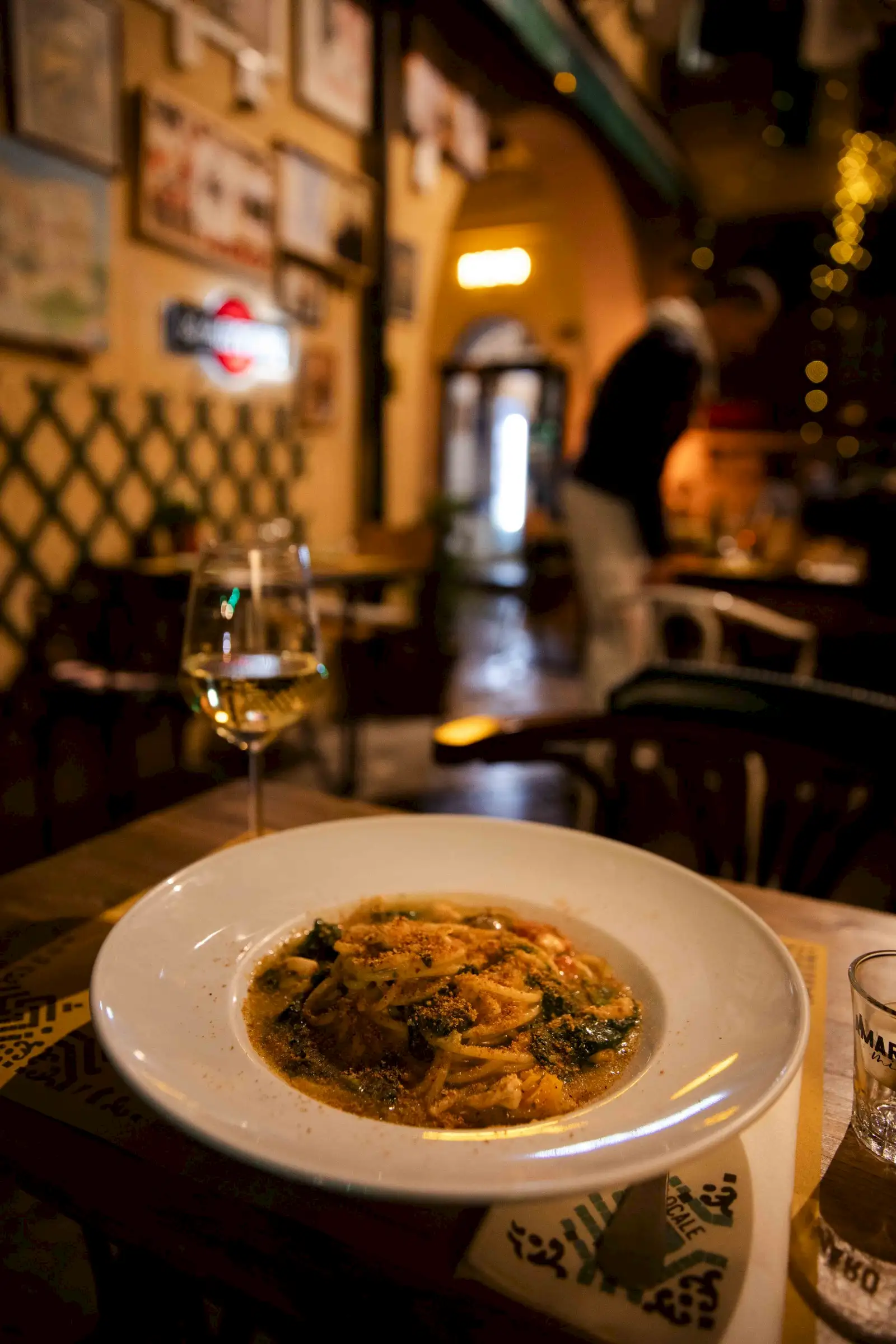
For dinner, Sapori Perduti on Via Principe di Belmonte serves a menu that truly reflects Sicilian cooking: fresh ingredients, honest techniques, and nothing showy. Try the tuna dishes, trust the pasta, and enjoy the housemade bread. If you’re lucky, you’ll find a cannolo filled with ricotta from Piana degli Albanesi, a hill town south of Palermo where Albanian families have kept their language and traditions since the 15th century.
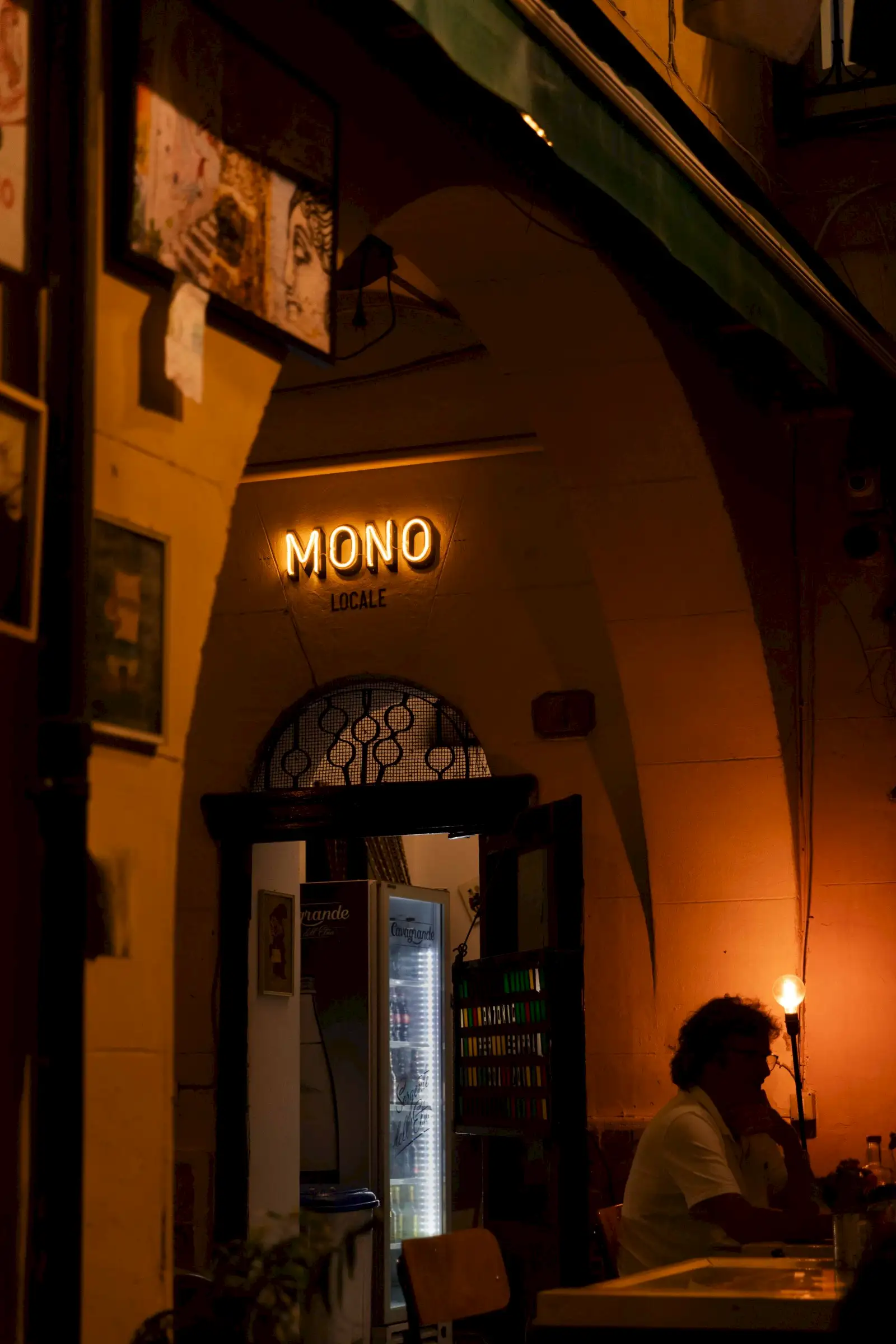
If you want a place with a cocktail list and a hidden courtyard, Locale on Via Francesco Guardione offers modern Sicilian dishes that live up to their reputation.
A few things to eat before you leave
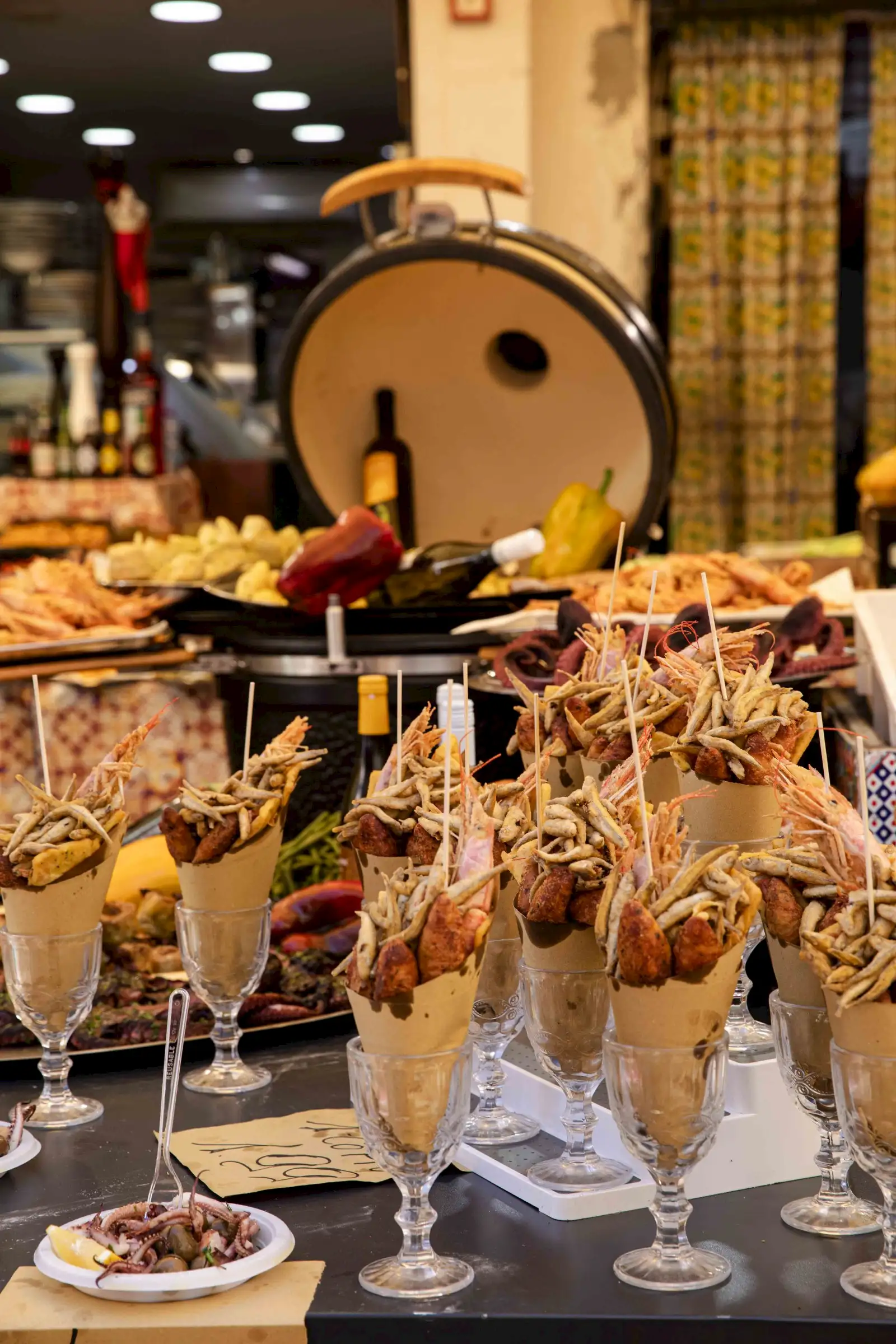
Crocché: potato croquettes with mint, crisp outside, soft within.
Sfincione: a thick Sicilian pizza with anchovies, onions, tomatoes, and caciocavallo.
Panelle: thin, pan-fried chickpea fritters, golden at the edges and yielding in the center.
Pane ca meusa: a sesame bun filled with veal spleen and lung, fried in lard and finished with either a squeeze of lemon or a scrape of caciocavallo.
Arancina: a fried rice ball, round as an orange, filled with ragù or with ham and béchamel.
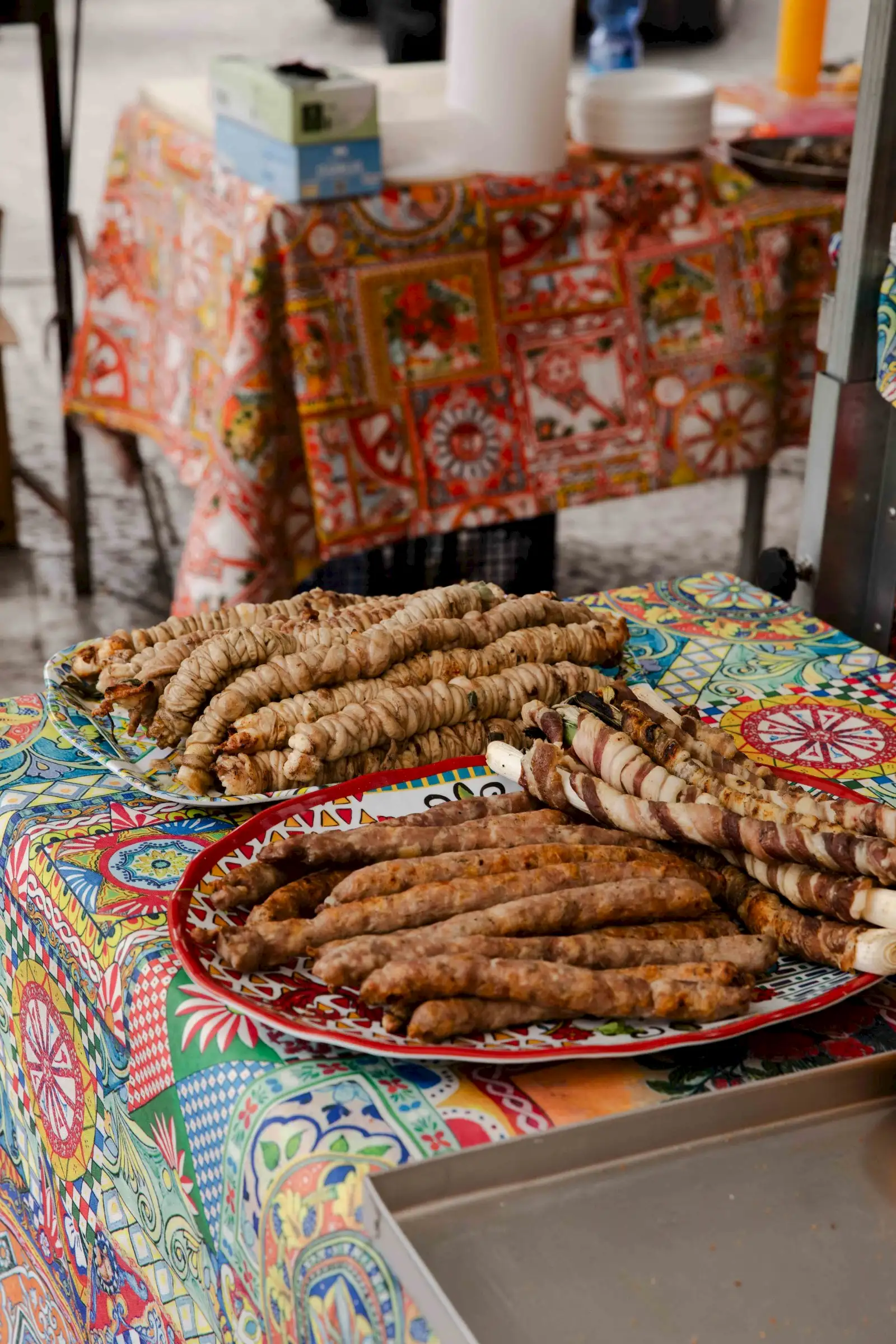
Stigghiola: lamb intestines wrapped around a skewer with spring onion, grilled over open coals, and seasoned with salt, lemon, and fire.
Iris: a fried brioche filled with ricotta and chocolate chips, dusted in icing sugar.
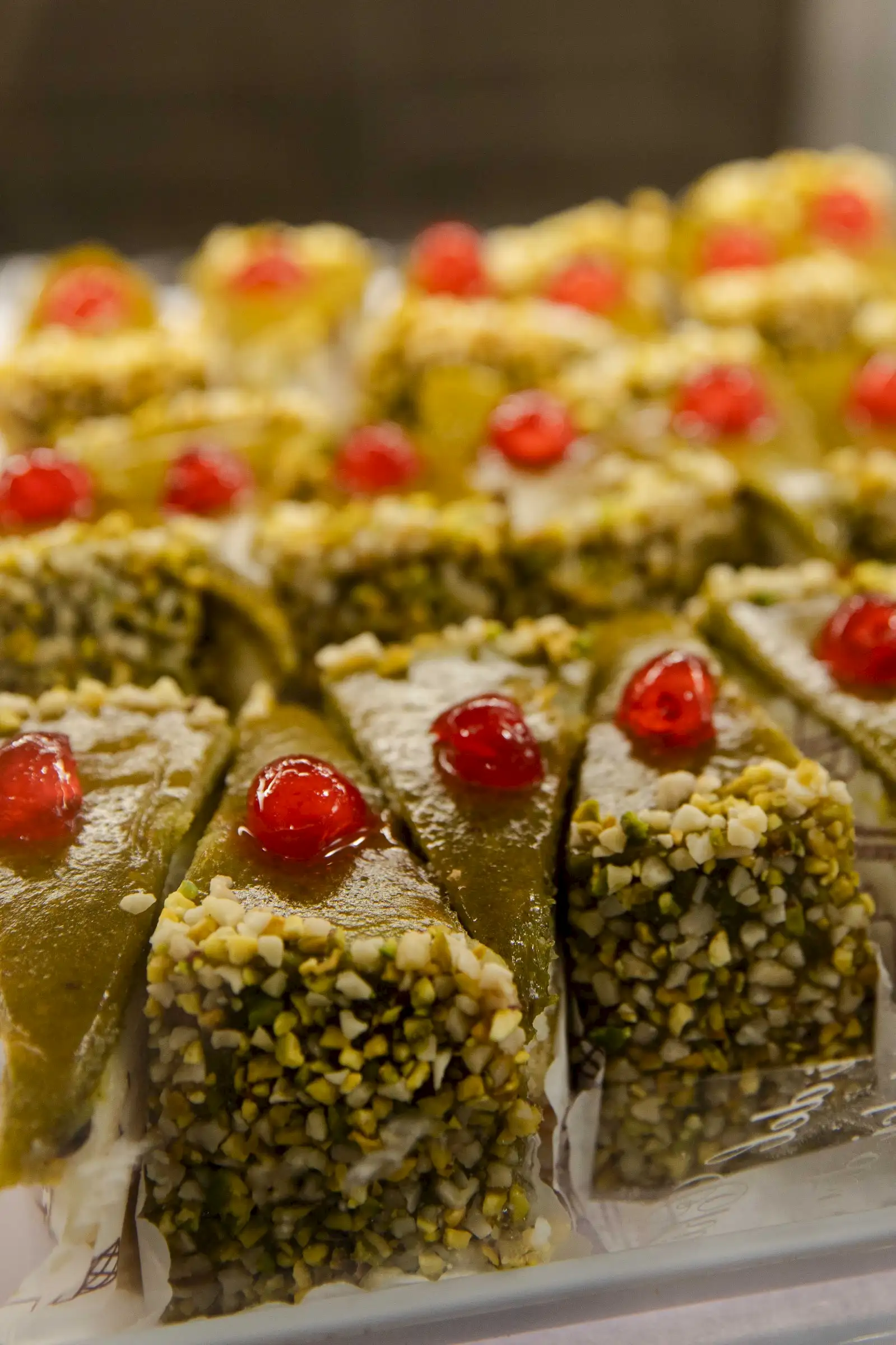
Cassata: ricotta, marzipan, candied fruit, ornate and theatrical and unmistakably Sicilian.
If the city can wait: Scopello
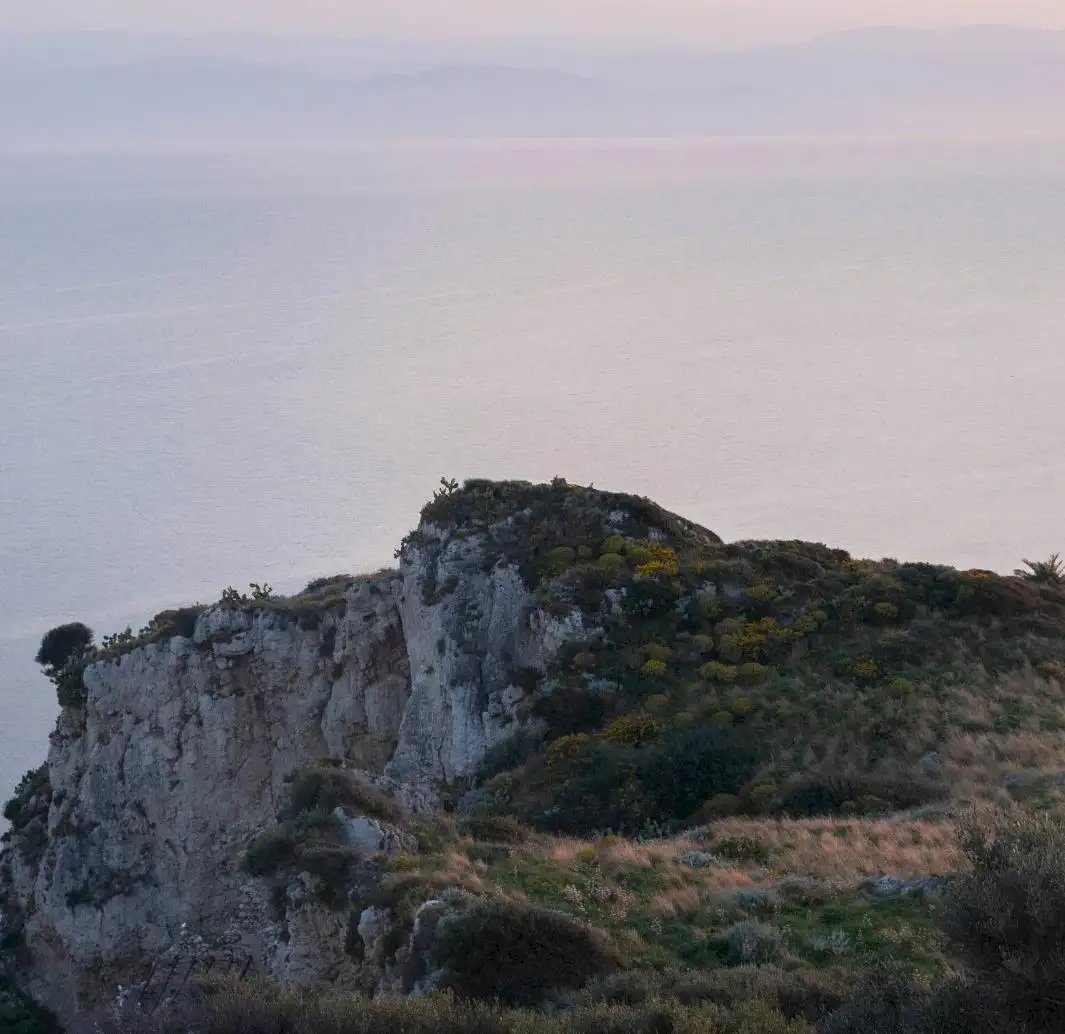
If you’d like to spend a day at the beach or have an extra morning, Scopello is worth the drive west of Palermo. This small village sits above a cove, with old tuna-fishing towers rising from clear water. It’s a slower pace and a good reason to stay another day.